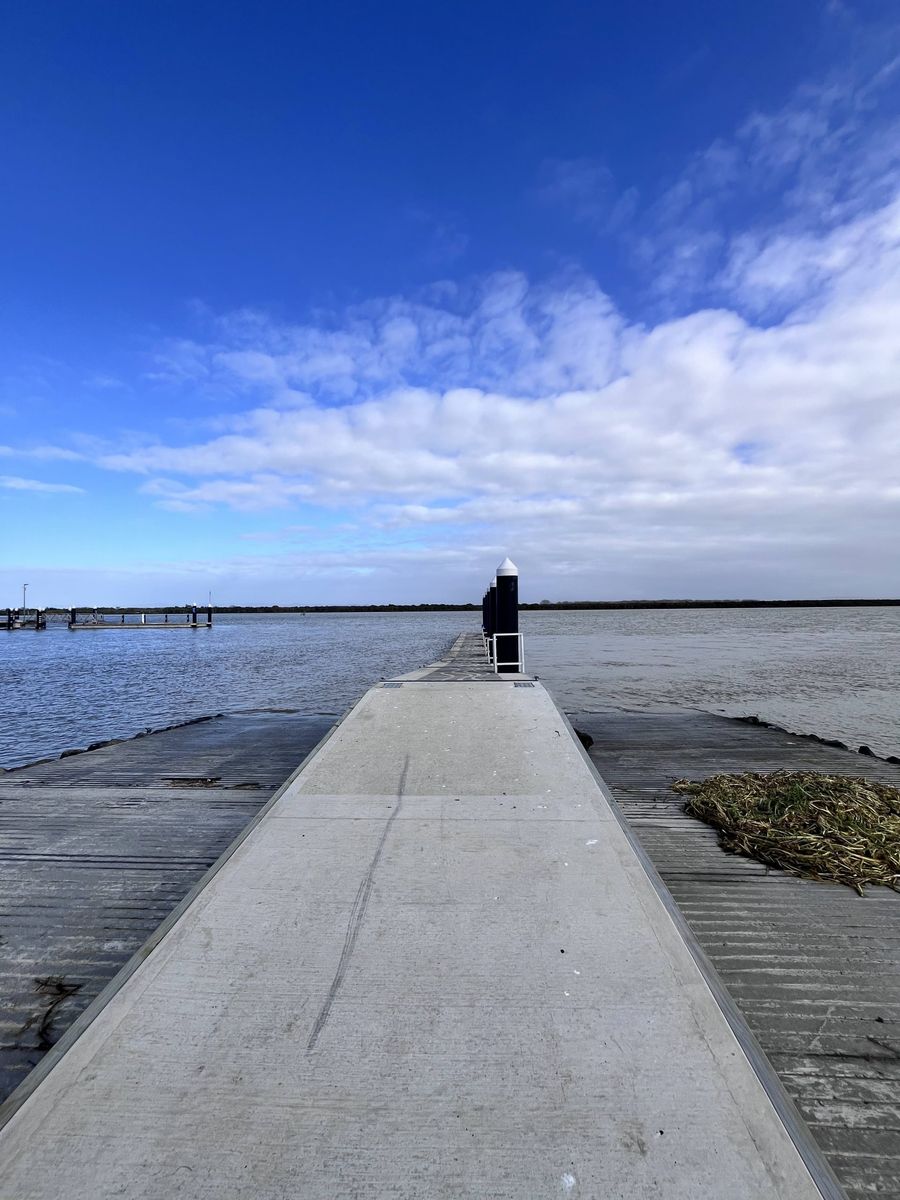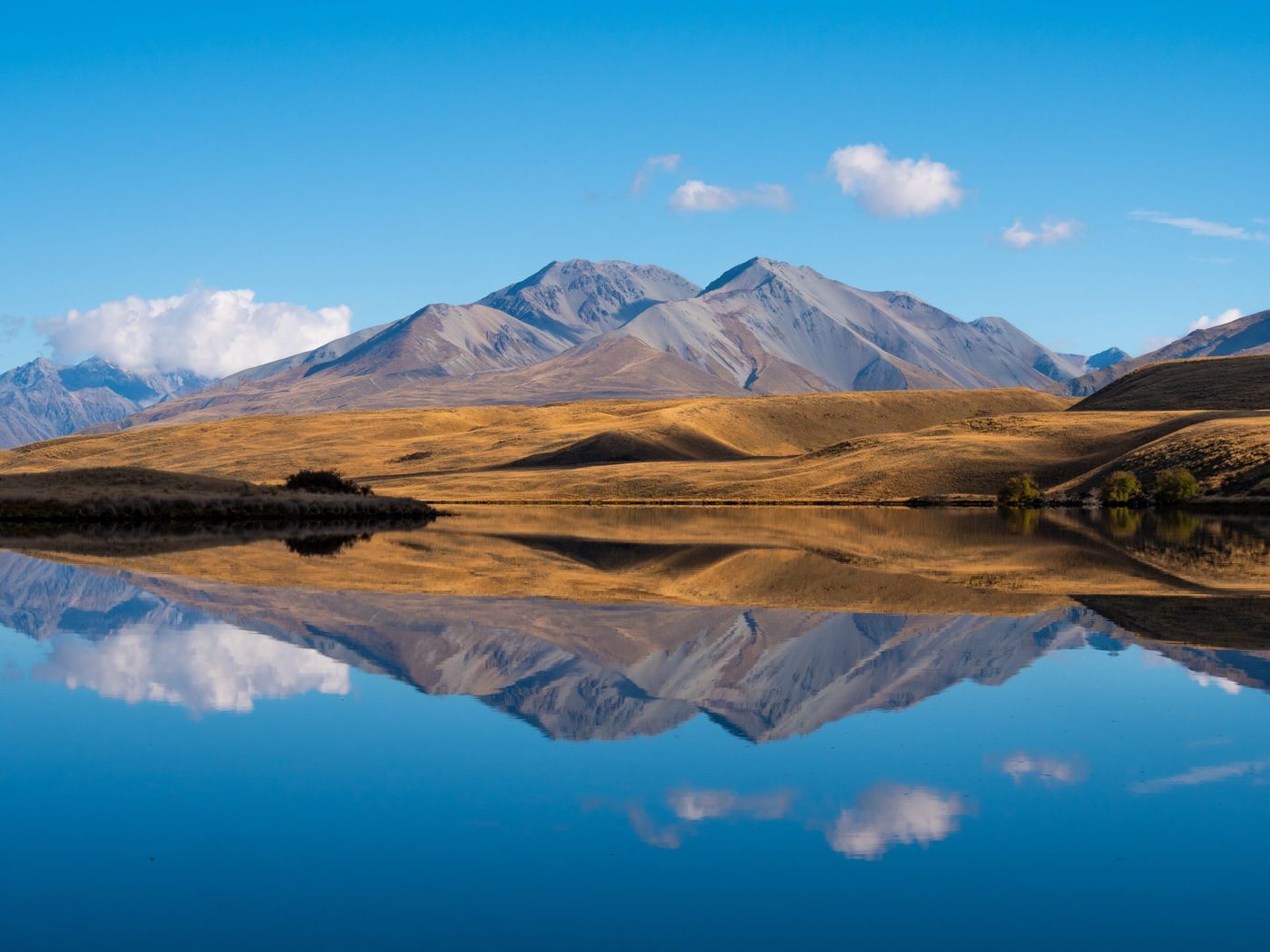
Scattered across nearly 60,000 hectares between the braided channels of the Rakaia and Rangitata rivers, the Ashburton Lakes basin is one of New Zealand's most remarkable intermontane wetland systems. Eleven named lakes and a multitude of smaller tarns punctuate a sweeping tussock landscape, hemmed in by mountain ranges that rise sharply from the valley floor.
Much of this basin has been spared significant modification. Native scrub and tussock grasslands shelter more than 30 bird species, among them wrybill and crested grebe, while threatened plants including marsh arrowgrass and pygmy forget-me-not persist in its margins. For Ngāi Tahu Whānui, Ōtūwharekai carries deep cultural weight, historically valued as a seasonal mahinga kai and a key corridor across Te Waipounamu. That significance endures today, and the area is recognised as a taonga, a landscape deserving both protection and enjoyment.
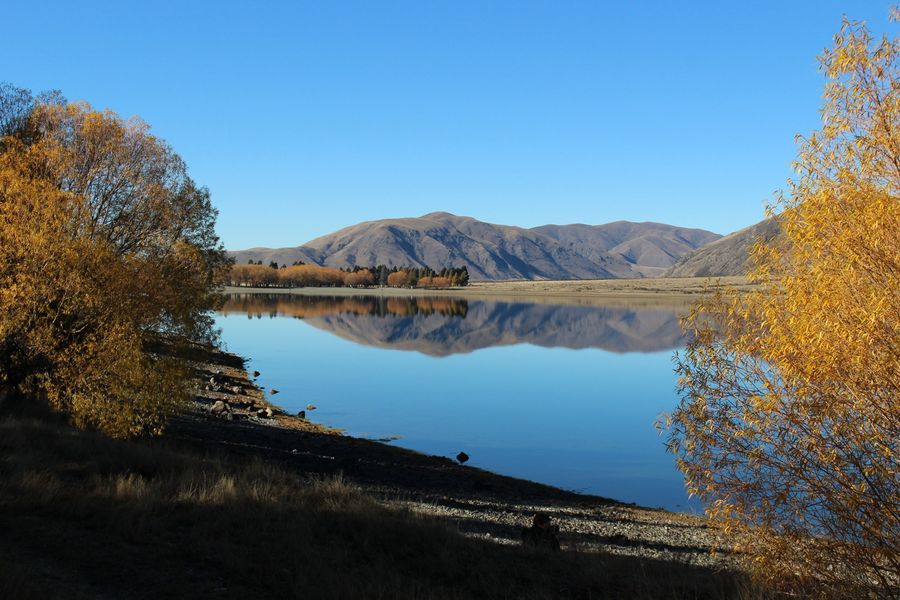
No two lakes in the basin are quite alike. Lake Heron, the largest of the group, draws anglers after lake-resident salmon and trout, with spin fishing from the South Bank a well-established pursuit. Lake Clearwater and the adjacent Lake Camp pull summer visitors in numbers, their shores lined with baches and campgrounds. Of all the lakes in the basin, Lake Camp alone is open to powered watercraft, making it the natural hub for water-skiing and motorboating. Clearwater, by contrast, is reserved for non-powered vessels, a quieter domain for kayaks, rowboats, and sailing dinghies. Further afield, Lakes Emma, Emily, and the Māori Lakes offer more solitary pleasures: birdwatching, picnicking, or simply breathing in the mountain air.
Boating across these waters is an experience shaped as much by the weather as by the landscape. On settled days the surfaces are glassy and serene, ideal for paddling or drifting. The nor'west wind, however, is notorious in this part of the high country and can build with little warning, turning calm water rough in a matter of minutes. Anyone heading out in a small craft should keep a close eye on conditions and err on the side of caution.
Fishing is among the strongest drawcards the basin offers. Five sports fish species are present: brown trout, rainbow trout, perch, Chinook salmon, and brook char. Summer fly fishing is particularly rewarding, with damselfly, midge, and cicada hatches all providing lively action. Bright lures work well for spin fishing on Lake Heron, and float tubes or rowboats extend the water available to keen anglers willing to venture further from shore. A valid New Zealand freshwater fishing licence is required, and rules differ from lake to lake, so checking the current regulations before heading out is well worth the effort.
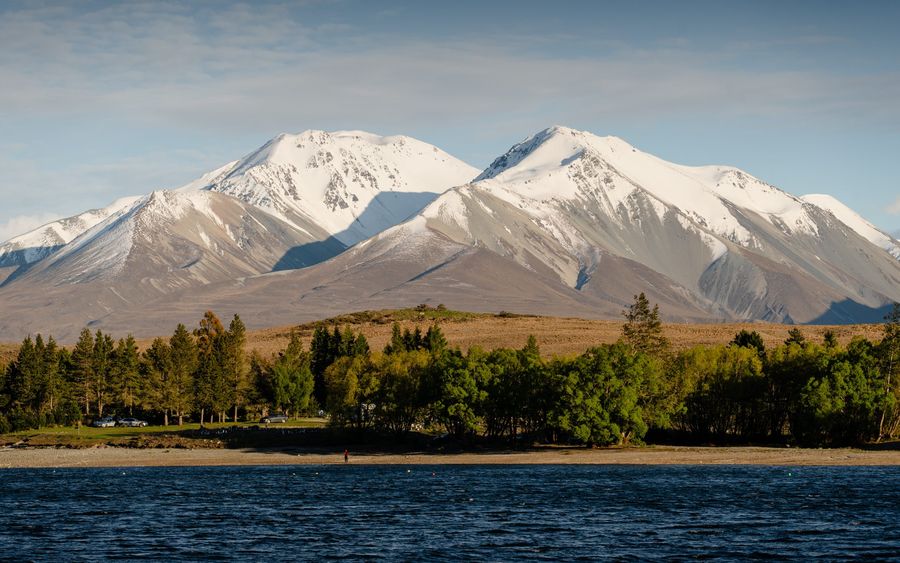
The lakes have plenty to offer beyond a rod or a rudder. Swimming in the sun-warmed shallows, camping beneath genuinely dark skies, walking to nearby falls, or settling in for a lakeside picnic are among the simpler rewards the basin provides. The kettle holes scattered throughout the landscape add further character: shallow seasonal depressions that flood, freeze over in winter, and erupt with wildflowers as temperatures rise. This kind of high-country terrain is found only in the eastern South Island, and it gives the Ashburton Lakes a distinctiveness that goes well beyond their obvious scenic appeal.
What keeps people coming back is the combination of genuine remoteness and relative ease of access. The lakes sit just a short drive from Ashburton, yet the sense of distance from everyday life is immediate and complete. Whether a visit is built around a trailered boat, a fishing rod, a tent, or simply the need for open space and quiet, the basin is generous in what it delivers.
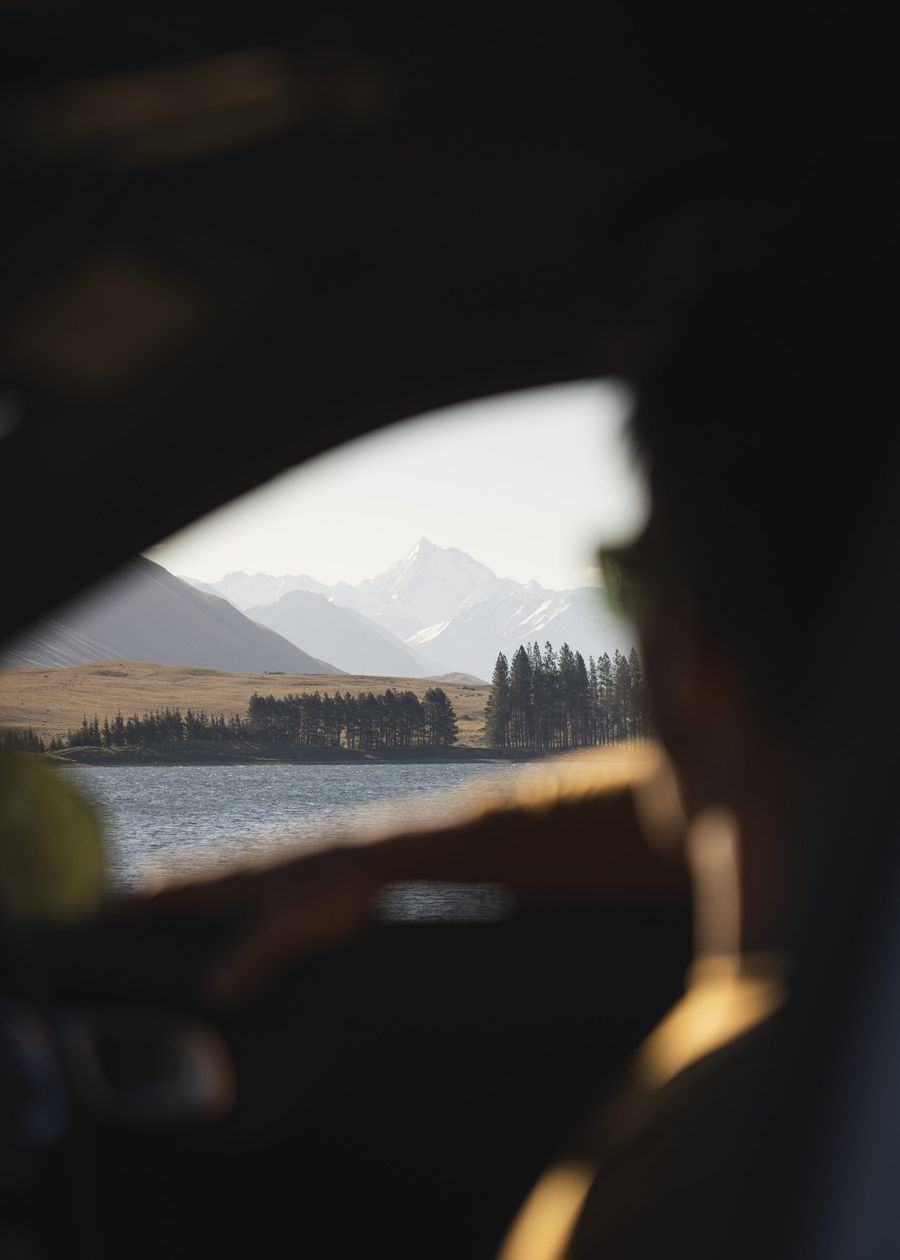
For those who arrive by water, there is something almost elemental about gliding across a lake framed by ranges that have stood for millennia. For families, the appeal is more immediate: the pleasure of swimming together, of cooking over a camp fire, of slowing down for a few days in a place that rewards it. Whatever draws a visitor in, the memory that tends to linger is of time well spent in one of Canterbury's most extraordinary corners.
A few things worth knowing before heading out. Lake Camp is the only lake in the basin open to powered watercraft; Lake Clearwater, Lake Heron, and the others are restricted to non-powered vessels such as kayaks, dinghies, and rowboats. Weather moves fast in the high country, so carrying warm layers and sun protection, and watching for sudden wind changes, is simply good sense. Access to the lakes runs via Ashburton and Mt Somers, with unsealed roads leading to Lake Clearwater, so driving carefully on those sections matters. Basic camping facilities are available at both Lake Camp and Lake Clearwater, and conservation rules apply throughout, with a leave-no-trace approach expected of all visitors.