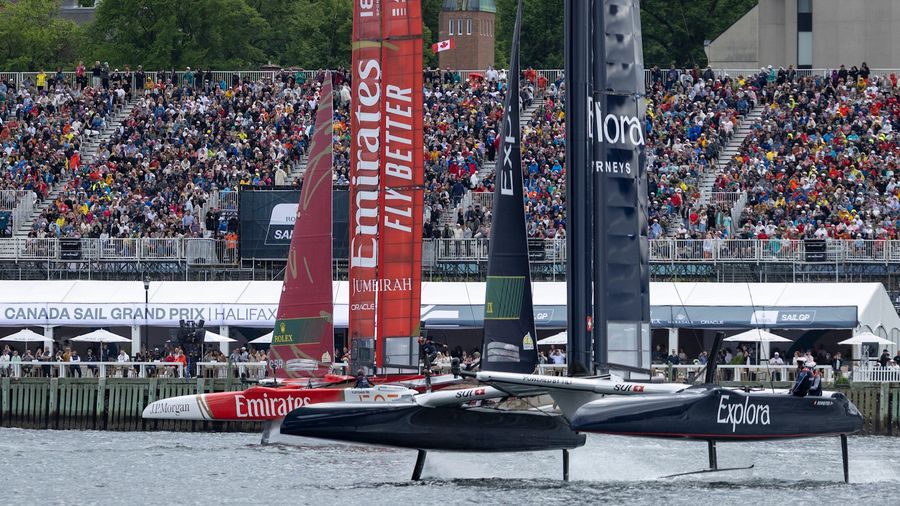
When the New Zealand Black Foils are out of the picture, Kiwi sailing fans need somewhere to direct their energy. For the KPMG Sydney Sail Grand Prix, the answer is not hard to find. Artemis Racing SailGP Team carries a Swedish flag, but the New Zealand influence running through its crew is hard to miss. Brad Farrand on jib trim, Andy Maloney on flight control, and Nathan Outteridge at the helm, three names deeply familiar to anyone who follows Kiwi high-performance sailing. Add a composed fourth-place debut in Perth and genuine podium ambition in only their first season, and this is the boat worth watching when Sydney race week arrives.
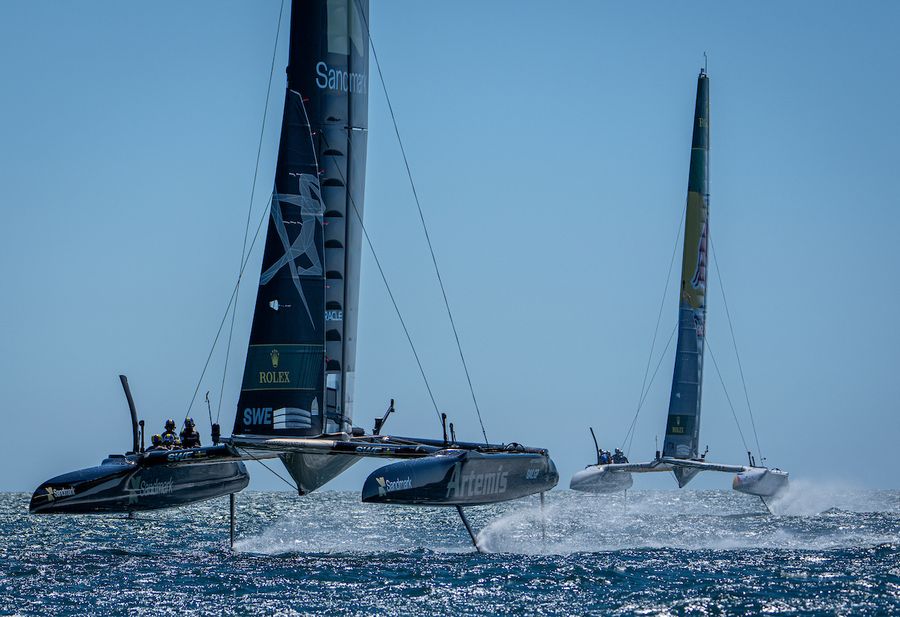
Outteridge's profile needs little introduction in these waters. The AC38 skipper for Emirates Team New Zealand, he has long been a central figure in the upper reaches of the sport. What makes Artemis particularly interesting is how quickly this group of sailors has gelled around him, with minimal of the instability that so often marks a new F50 campaign.
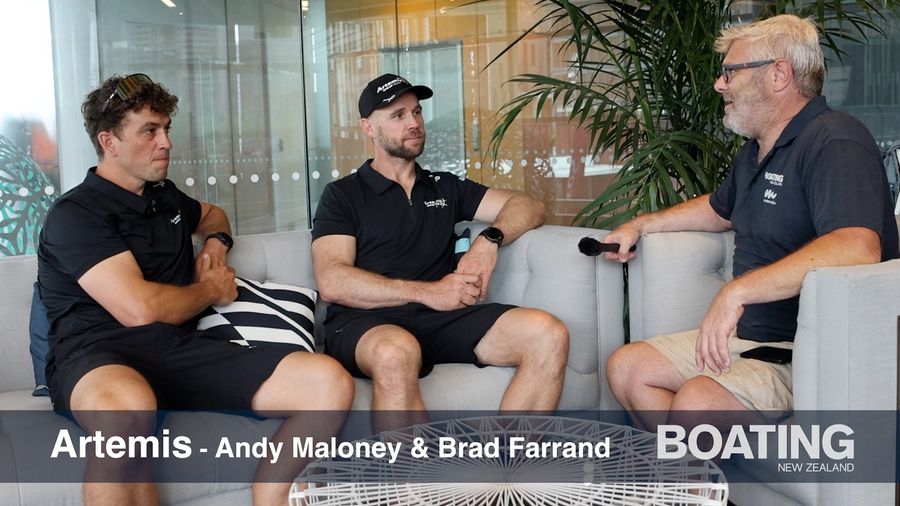
Go Boating NZ caught up with Maloney and Farrand in person ahead of the ITM New Zealand Sail Grand Prix. Both originally from Northland, they are about as quintessentially Kiwi as it gets.
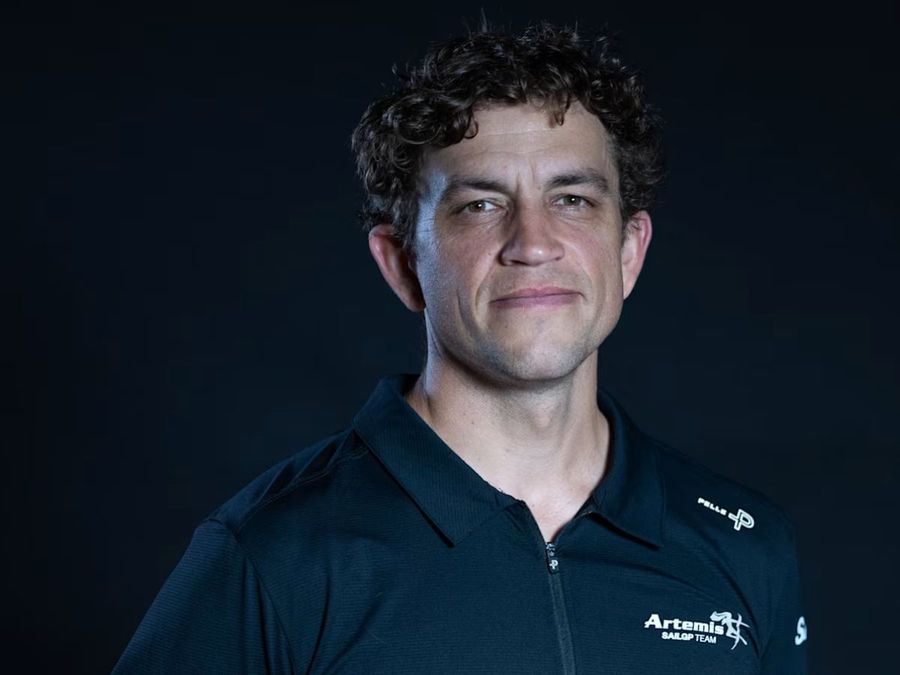
Maloney brings an exceptional pedigree to the role. A three-time America's Cup winner and one of SailGP's most respected flight controllers, he spent time as a core Black Foils member before joining Mubadala Brazil and then making the move to Artemis SailGP in 2026, where he reunited with Outteridge for the Swedish team's first campaign. Farrand's path ran through Red Bull Italy and a sustained relationship with the Artemis organisation built during their RC44 programme, supplemented by experience in The Ocean Race. Now based in Sweden, the Northland-born sailor has made the Artemis setup his home.
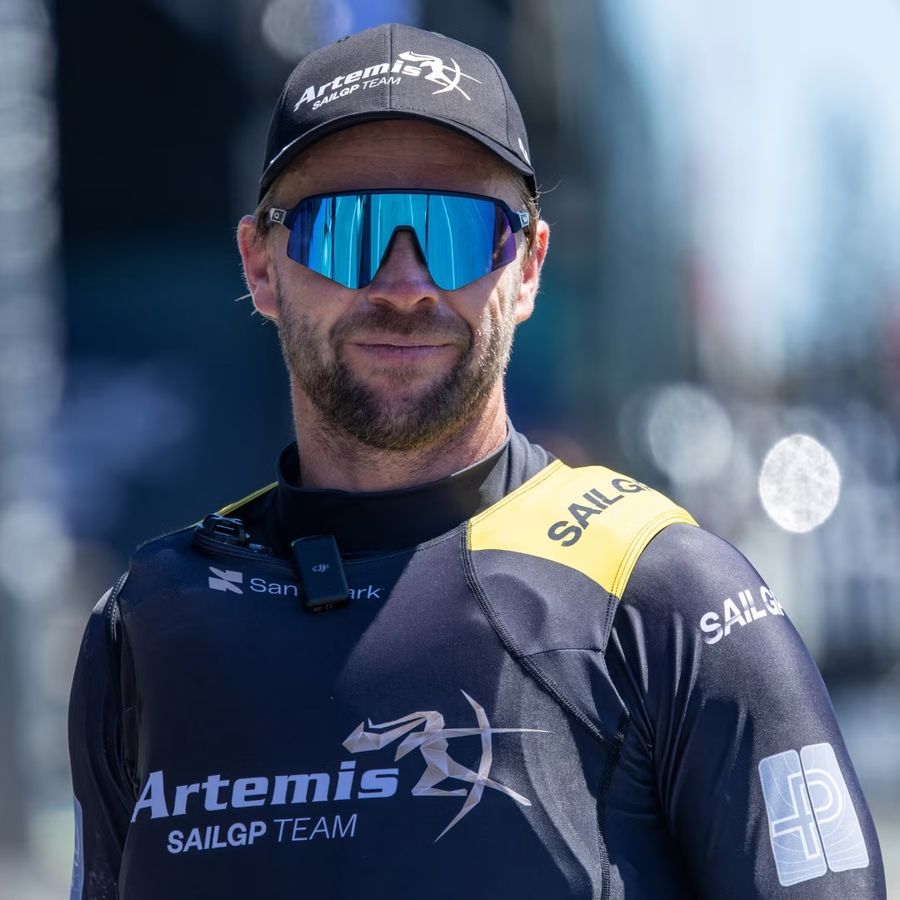
Preparation for Perth began long before the boat hit the water. With on-water time at a premium, the crew focused heavily on shore-based systems work, clarifying communication patterns and cementing individual roles. Manoeuvres were rehearsed repeatedly before any racing took place. That disciplined approach paid off. Artemis showed genuine pace across the Perth weekend and handled traffic well, but a small number of execution errors at critical moments kept them out of the final. Fourth overall was nonetheless a strong platform in what is arguably the world's most competitive high-performance sailing league.
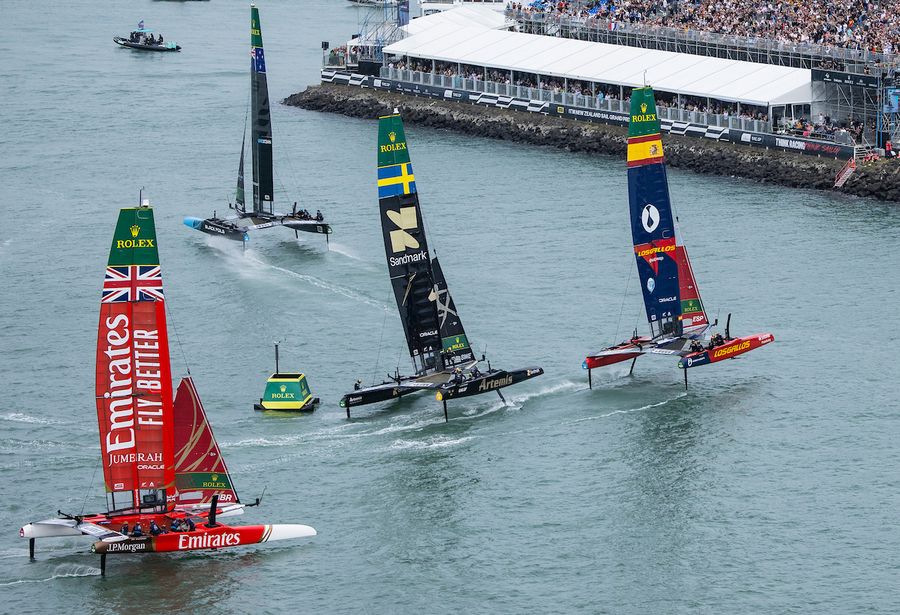
Auckland presented a different kind of test. The Waitematā Harbour racecourse is notably compact, with tighter boat-to-boat separation than Perth and a shifting breeze pattern rather than sustained pressure. That combination placed a higher technical demand on both flight control and trim throughout the regatta.
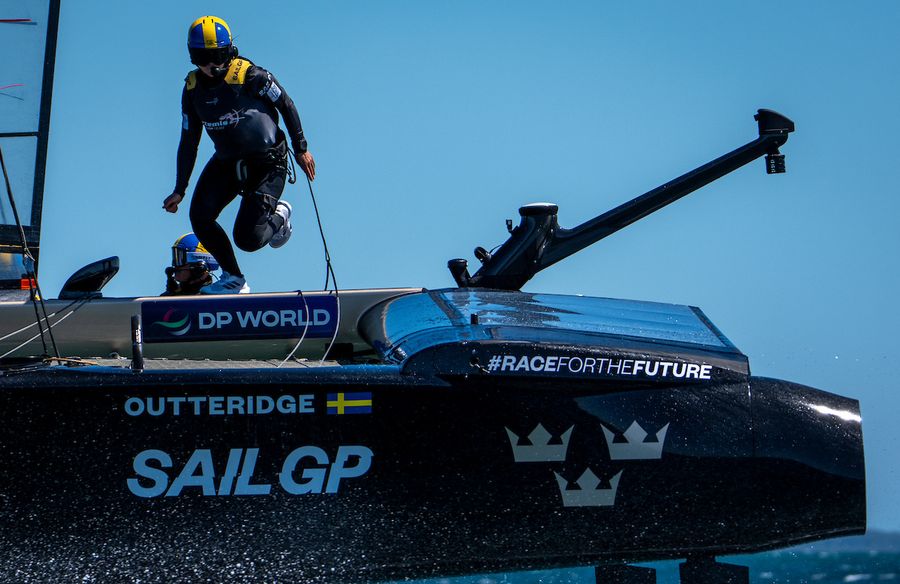
Farrand described the Auckland venue as a "sailor's race", where positioning and timing would matter more than raw survival instincts. Both he and Maloney arrived with detailed knowledge of the harbour, understanding how pressure builds around North Head and how quickly the breeze can switch across the course. That local familiarity was always going to be an asset.
This season marks Farrand's transition into the G2 role, trimming the jib on the F50. Trim precision in that position has a direct bearing on stability through manoeuvres and on overall flight performance. To support the shift, Farrand has worked through historical SailGP data alongside his on-water preparation, building an analytical foundation to complement the feel he is developing at speed.
The Auckland regatta delivered a mixed but instructive set of results. Race 1 went to Australia's BONDS Flying Roos, helmed by Tom Slingsby, who scored 10 points ahead of DS Team France and the Black Foils. Artemis, with Outteridge driving, crossed the line ninth and collected two points. Race 2 told a more encouraging story. The Black Foils took the win, Emirates GBR came second and France third, with Artemis stepping up to fifth and banking six points in a closely bunched fleet.
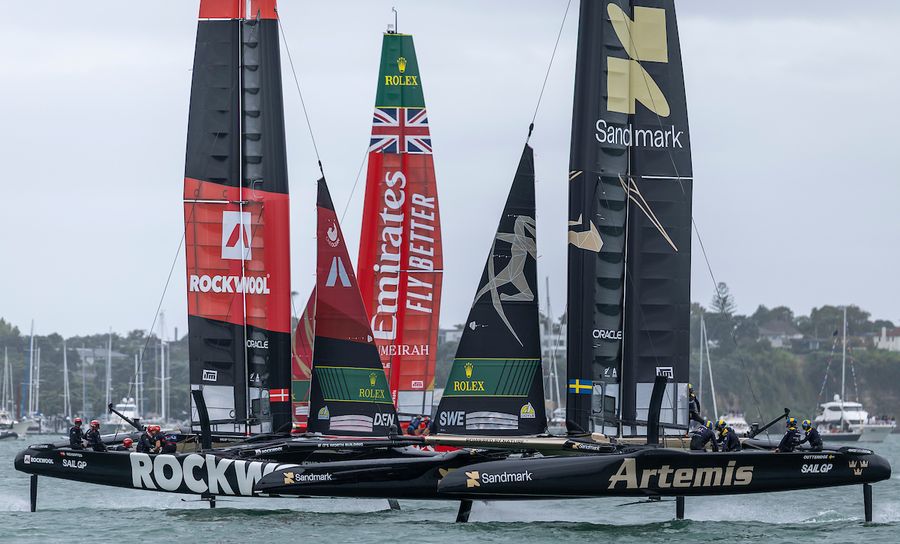
The shorter format races continued that upward trajectory. Artemis finished second behind Australia in Race 3B for four points, then fourth in Race 4B for two more. Their total of 14 points across the fleet racing series placed them fifth overall heading into the final, with Australia leading the standings on 26 points, followed by Emirates GBR and Spain. Artemis ultimately finished fifth in the event final standings. A podium remained out of reach, but the results reinforced how competitive this team already is in only its debut season against a deeply experienced fleet.
Running alongside the SailGP campaign is the ongoing America's Cup programme, and the crew views the crossover as genuinely complementary rather than a distraction. SailGP sharpens the instinctive, split-second decision-making that racing at that pace demands. America's Cup development, by contrast, calls for deeper technical evaluation over longer time horizons. Each programme feeds the other.
The Swedish flag flies above the boat, but the New Zealand influence within Artemis Racing SailGP Team is plain to see. Perth showed the pace is real. Auckland confirmed the development curve is pointing upward. With two events of growing confidence behind them, Sydney now offers the clearest opportunity yet for Artemis to convert early-season promise into a podium result.