The America's Cup has never lacked for drama. What it has lacked, across recent cycles, is consistency.
Compressed campaigns, late-arriving protocols, and long silences between regattas have made sustained engagement difficult for everyone involved: teams, sponsors, broadcasters, and the broader fan base. The formation of the America's Cup Partnership reads, against that context, less like a bold reinvention and more like a considered and overdue response.
Five teams have committed to putting regularity at the centre of the Cup's future, and in doing so, they have changed the terms of the conversation.
What sharpens the announcement, though, is not simply what is being proposed. It is the specific combination of who is proposing it, and who has chosen not to be part of it.
A foundation built on continuity
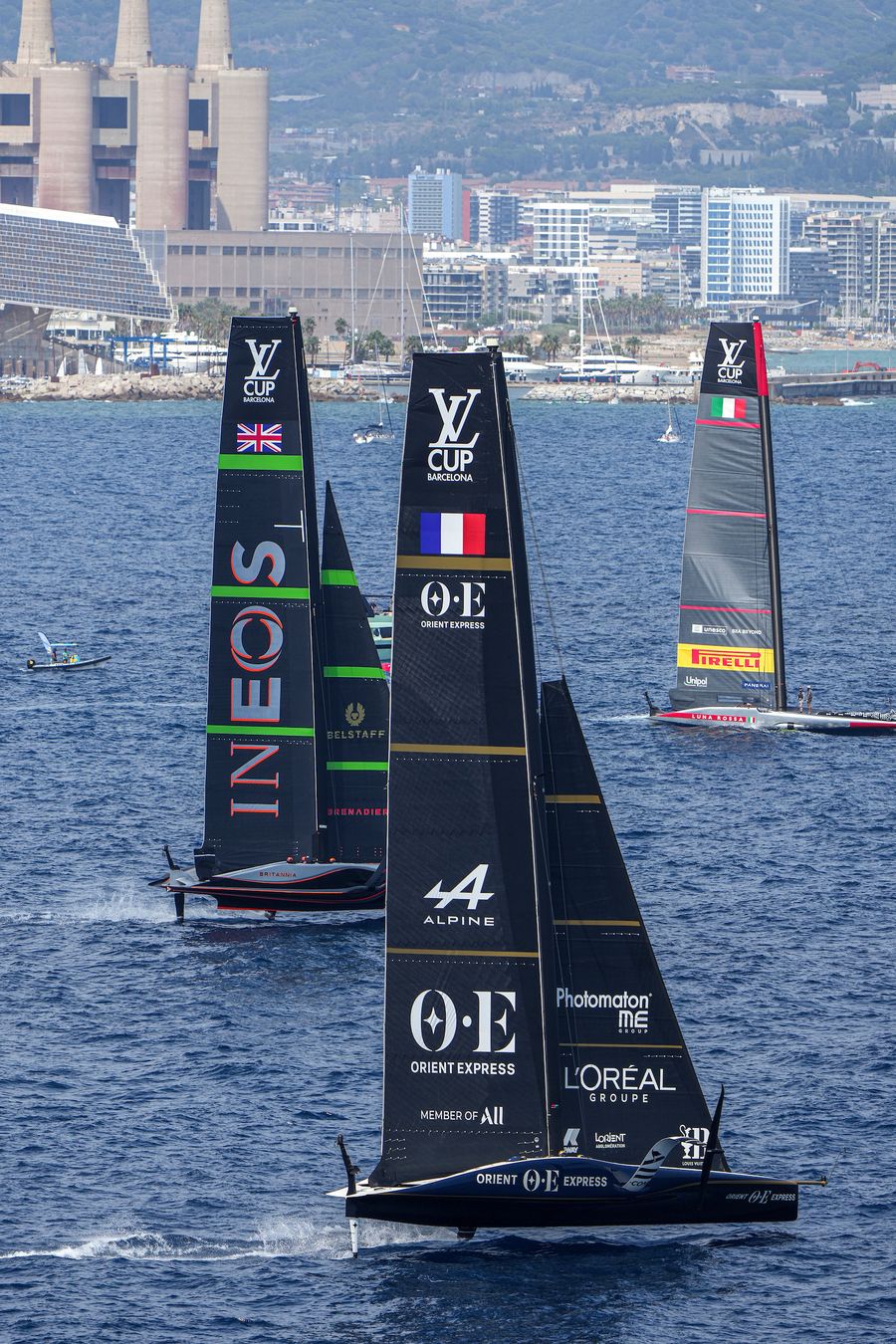
The founding Partnership brings together Emirates Team New Zealand, Athena Racing, Luna Rossa, Tudor Team Alinghi, and the newly renamed French outfit K-Challenge. What these organisations share is not just ambition. It is sustained presence across multiple Cup cycles. Design teams have remained intact between events. Commercial relationships have been built with long-term horizons in mind. Sailing programmes have evolved rather than dissolved and reformed.
That accumulated experience gives the Partnership its momentum.
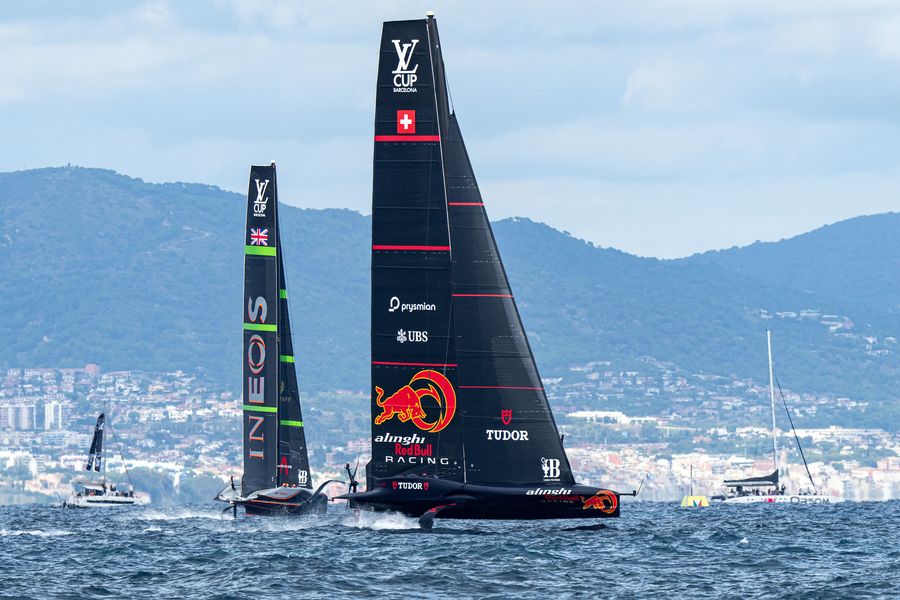
Central to the proposal is a commitment to a biennial America's Cup cycle, meaning an event every two years. For the first time, the Cup is being asked to behave like a modern professional sporting property with a predictable, repeating calendar. Teams can project ahead. Sponsors maintain visibility between cycles rather than disappearing into silence. Broadcasters gain the certainty they need to invest in rights. Fans know when the Cup is coming back.
Regularity is the real reform on offer here.
Governance steps back from the water's edge
The Partnership's second major proposal is independent management, separating the delivery of the event from the interests of whichever team happens to be holding the trophy at any given moment.
This represents a genuine departure from how the Cup has long operated. The defending champion's influence over formats, timelines, and commercial decisions has historically driven innovation, but it has also created instability. Rules shifted between cycles. Schedules drifted. The commercial momentum built around one Cup struggled to carry across to the next.
Under the proposed structure, an independent management group would oversee sporting delivery and commercial operations across cycles. The intention is not to soften competition, but to remove the stop-start quality that has undermined recent editions.
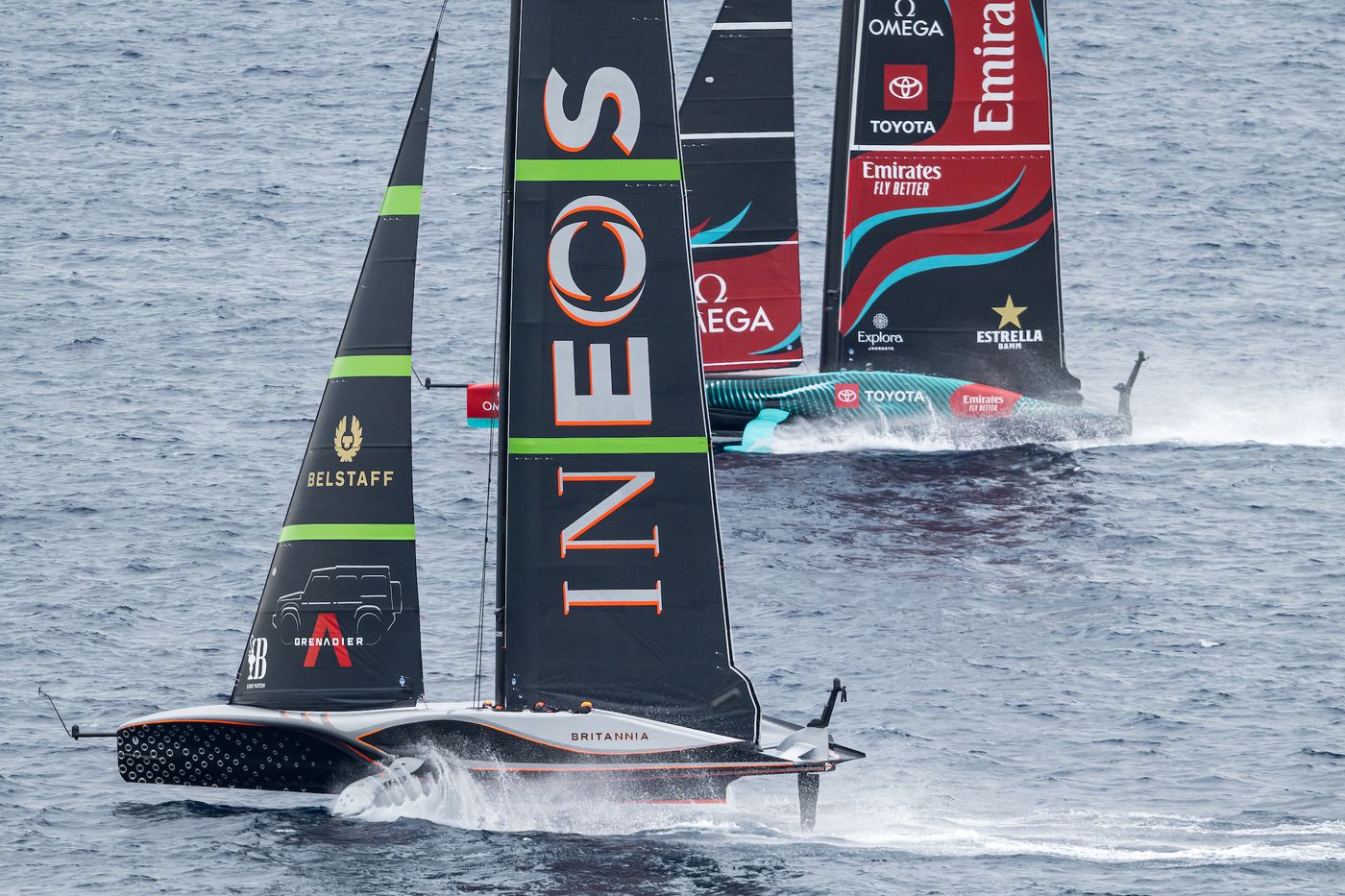
Sitting alongside that governance reform is a new economic framework. Shared revenues and cost controls are designed to narrow the gap between well-funded and less well-funded programmes, without stripping away the technological ambition that defines the event. The AC75 remains the class of choice, and innovation remains non-negotiable. What changes is the financial volatility that has made campaigning feel, for some teams, like an all-or-nothing proposition.
This is not a proposal to make the Cup inexpensive. It is a proposal to make participation something that organisations can sustain.
The absence that cannot be ignored
Amid the structural ambition, one gap in the founding membership stands out.
There is no American team.
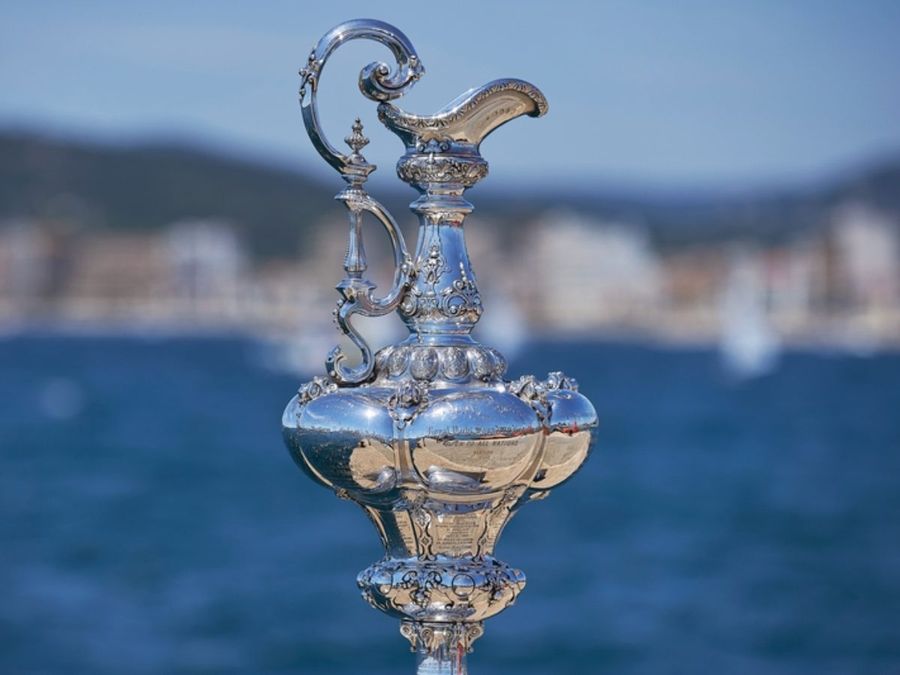
The Cup predates professional sport as we know it, and its mythology is bound up with the United States in a way that no other nation can claim. The New York Yacht Club held the trophy for 132 years. American technical and competitive confidence shaped what the event became long before the modern era. The name of the trophy itself is inseparable from that history.
None of that is represented in the founding Partnership.
The door has not been closed. The announcement makes clear that new challengers can still enter ahead of the Louis Vuitton 38th America's Cup in Naples, and entries remain open. But symbolism carries weight, and this absence is unlikely to be accidental.
Recent American challenges have arrived intermittently. Funding has been uncertain from one campaign to the next. Programmes have found it difficult to carry knowledge and personnel forward. None has demonstrated the kind of through-cycle continuity that now defines the Partnership's founding membership.
The founding teams, by contrast, have treated the Cup not as a single campaign but as an ongoing commitment. The result is a quiet but significant shift in emphasis. Organisational capability now carries more weight than national heritage.
From yacht club flags to institutional strength
The America's Cup has always been an international competition, even if it has not always been run in an internationally mature way.
The AC75 era has shifted that balance. These are extraordinarily complex machines, requiring extended design cycles, intensive simulation programmes, and deep integration across technical and sailing departments. Individual talent still matters enormously, but so does the institutional memory that only continuous operation can build. Teams that dissolve between Cups return at a structural disadvantage.
The Partnership model rewards the opposite approach: retaining people, managing risk across a longer horizon, and committing resources before results are guaranteed.

New Zealand readers will find something familiar in that philosophy. Build the capability first, and trust that performance will follow. This is not a rejection of national identity. Flags still fly at the start line. But the engine room of competitive Cup sailing now lives inside organisations, not in yacht clubs acting alone.
Pathways written into the structure
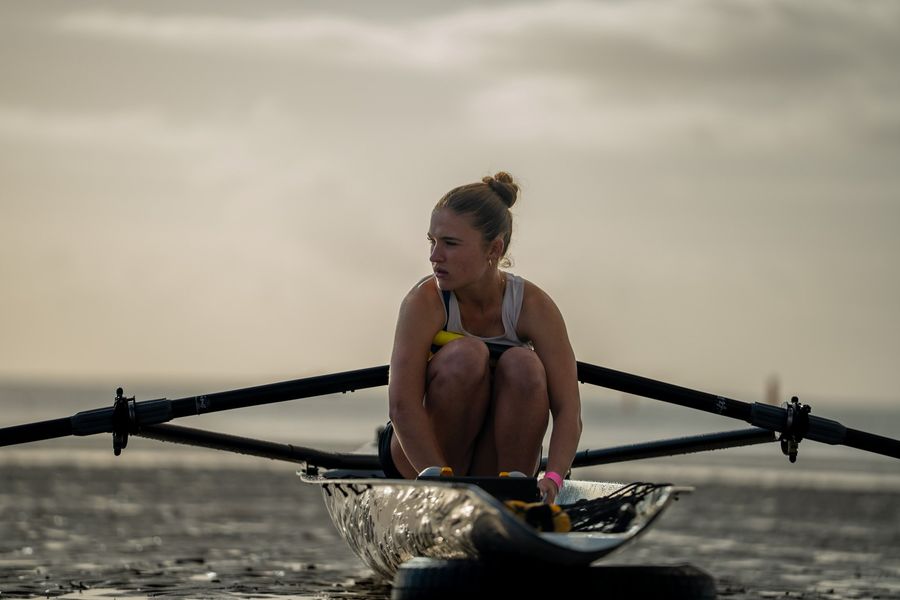
One of the more substantive commitments within the Partnership is its formal support for the Women's and Youth America's Cup. This has not been framed as an ancillary programme or a goodwill gesture. It is embedded in the structure itself.
A requirement for at least one female sailor aboard each AC75 at AC38 establishes a clear participation baseline at the very top level of the sport. Tying the pathway events to the same calendar certainty being applied to the main Cup means that progress in these programmes becomes cumulative. Development builds from one cycle to the next rather than resetting each time.
The road to Naples
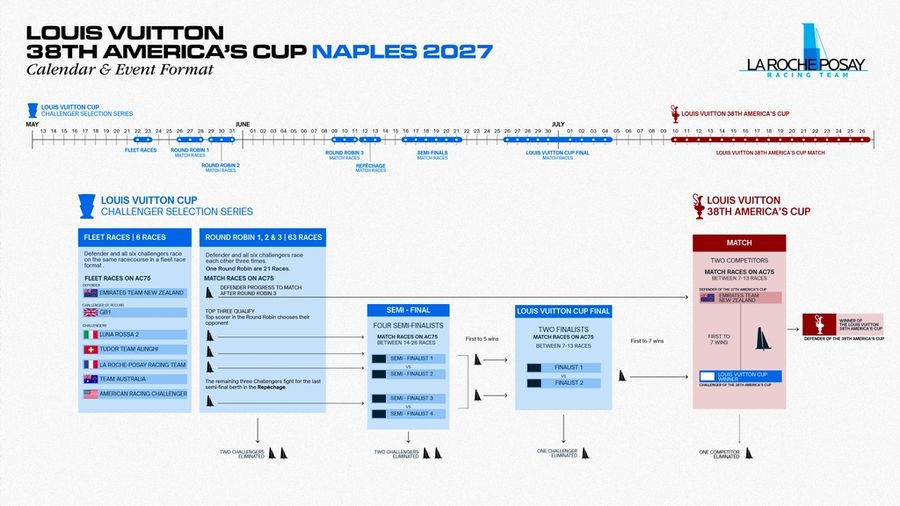
Further details of the Partnership will be presented in Naples in January 2026, at which point the America's Cup Match dates will also be released. Entries remain open until the close of that month.
Whether a United States team commits before that deadline will shape the story being told around the event. It will not, however, change the direction the Cup is travelling.
The trajectory is now toward regularity, shared governance, and the kind of professional continuity that serious sporting properties have come to depend on. That is the trade being made, and the five founding teams have decided it is the right one.
For a trophy that has reinvented itself many times across 174 years of competition, this may be the most structurally significant change yet. The one question still open is whether America elects to help shape what comes next, or settles for being part of what came before.