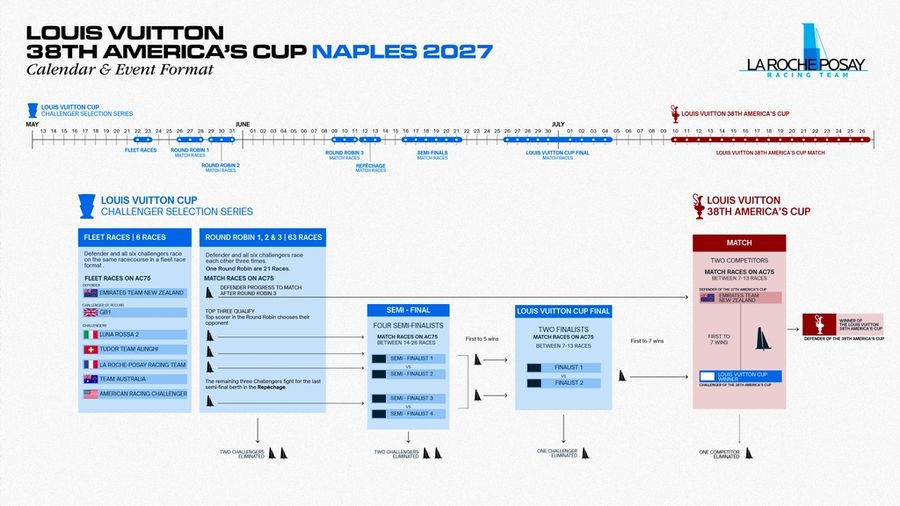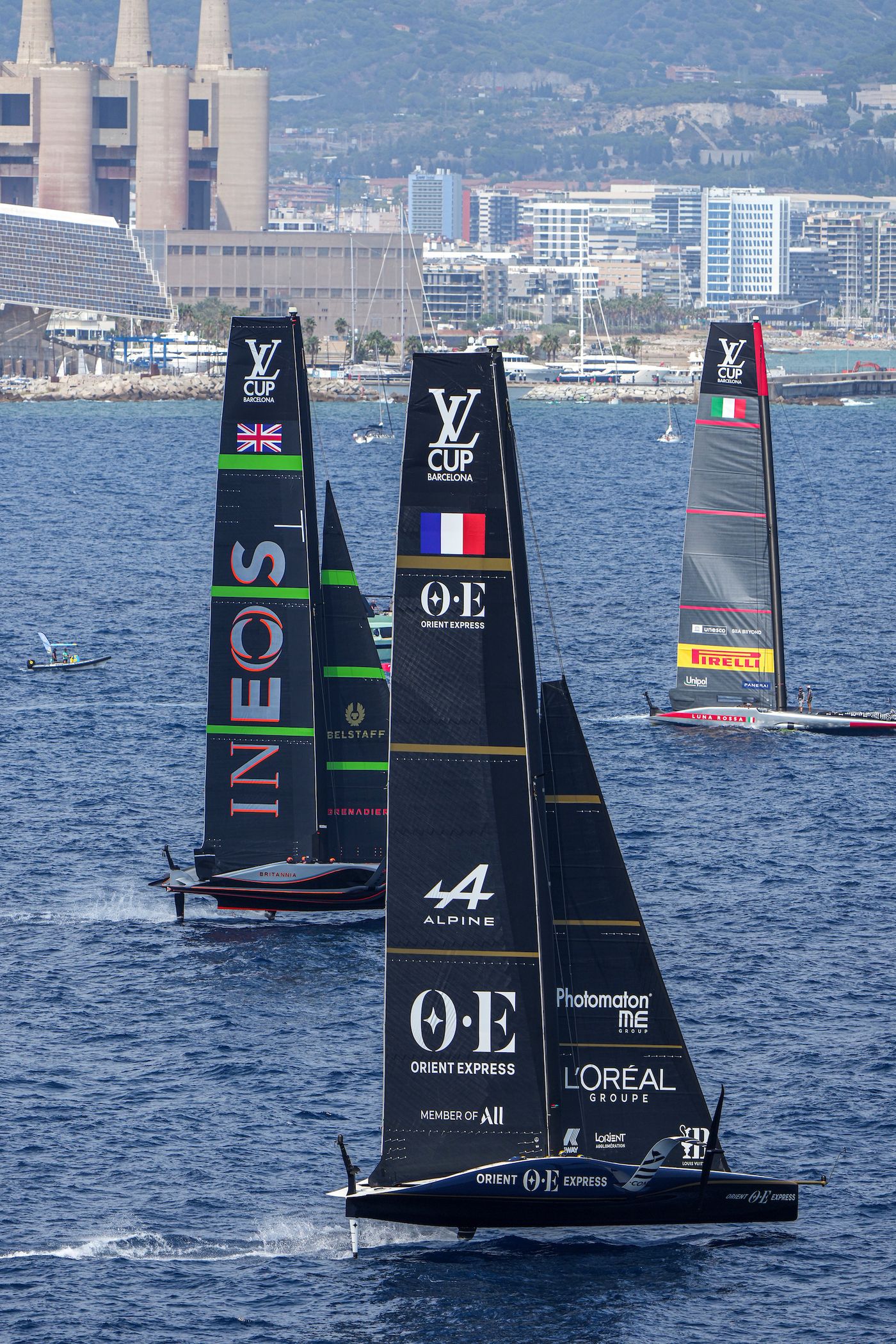
For much of the past year, the America's Cup existed as a project of negotiation: protocols debated, structures agreed, host locations confirmed. That administrative chapter is now substantially closed, and what has replaced it is less visible but considerably more consequential.
Teams are sailing again.
Across multiple bases, crews have returned to daily routines. Hours are accumulating, roles are being settled, and the small decisions that compound over months are starting to matter. With Naples confirmed for 2027, the coming twelve months are no longer about establishing possibility. They are about building readiness.
A framework built to last
The formation of the America's Cup Partnership has introduced a degree of stability that several recent cycles conspicuously lacked. Five teams have committed as the foundation of the competition: Emirates Team New Zealand, Athena Racing, Luna Rossa, Alinghi Red Bull Racing, and K Challenge.
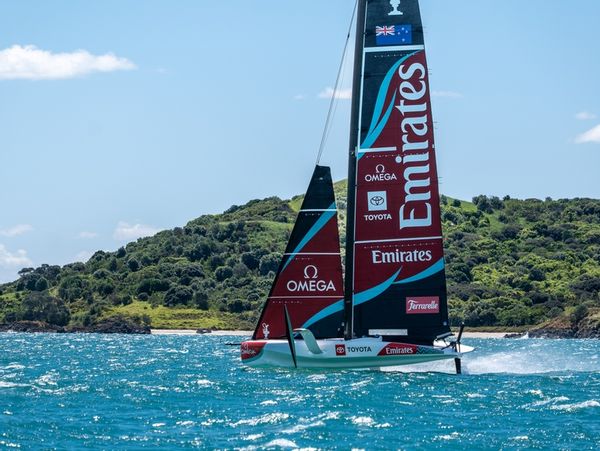
The significance of this lies not in the partnership language itself, but in its practical effect. Teams now have clearer timelines, shared commercial conditions, and considerably less risk that the ground will shift beneath them midway through a campaign. Youth and Women's programmes are built into the structure from the outset rather than added as an afterthought. That kind of certainty allows teams to plan well beyond the next regatta, and it changes how sailors progress through development pathways into senior roles.
AC40s carrying real weight
While governance arrangements were being finalised, several teams quietly resumed training late last year. The AC40 has become the primary tool of this phase.
Emirates Team New Zealand and Luna Rossa have each run two-boat sessions, with the focus on crew coordination rather than outright speed. Athena Racing has been active out of Barcelona, with senior sailors sharing water time alongside Youth and Women's crews. K Challenge continues accumulating time in Lorient.
There is nothing spectacular about this stage of a campaign. It is built on repetition: starting drills, manoeuvres executed under pressure, and the ongoing work of learning how a crew communicates when everything is happening at once. Because the Preliminary Regattas will be contested in one-design AC40s, every session carries direct relevance.
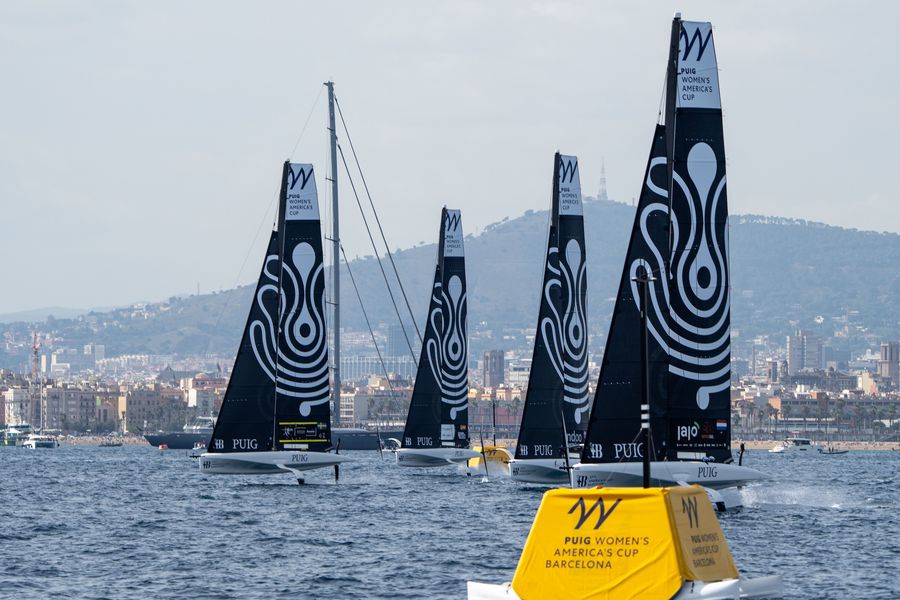
For younger sailors, these training blocks are no longer simply about exposure to the environment. They represent a genuine pathway toward top-level racing.
AC75s preparing for their return
Behind base doors, attention is also turning toward the AC75s. The first permitted sailing window opens in mid-January 2026, and teams are approaching it deliberately.
The rule changes are relatively straightforward, but their influence on how campaigns are structured is real. Crew numbers drop to five, with one female sailor required onboard. A Guest Racer provision adds flexibility. The Cyclors have been removed, replaced by battery-powered systems designed to replicate the power outputs of the previous configuration.
What follows will be a careful period of adjustment. Deck layouts are being refined, control systems reassigned, and sailing roles tested and retested. The earliest days on the water will not be about racing. They will be about understanding how a modified boat behaves and how a reconfigured crew functions within it.
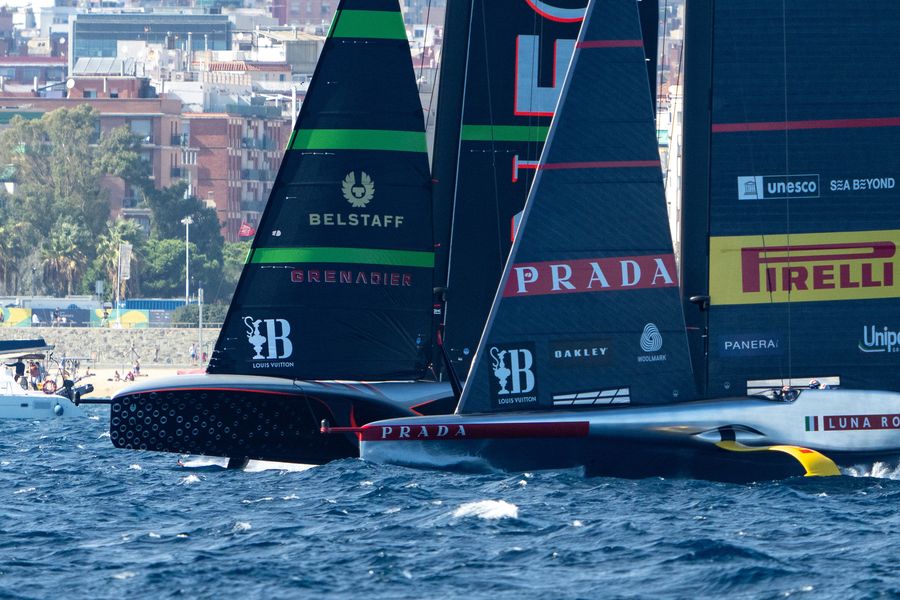
The version of each AC75 that eventually lines up in Naples will be shaped substantially by what teams learn in those first weeks back on the water.
Racing resumes in 2026
Competition returns in earnest next year with the revival of the Preliminary Regattas. These events will be held at European venues not yet confirmed, and contested exclusively in spec one-design AC40s.
Teams may also enter a second AC40, crewed by Youth or Women's sailors. That provision reflects something broader in how this cycle has been constructed: development is no longer treated as a parallel programme running separately from competition. It runs directly alongside it.
The Preliminary Regattas will not determine who lifts the Cup, but they will offer a clear early indication of which programmes are functioning cohesively and which still have meaningful ground to make up.
An American challenge taking shape
Just beyond the confirmed field sits one of the more compelling subplots of this cycle. Riptide Racing is working toward a late entry into the competition.
The United States-based team is pursuing the remaining funding required to secure its place, with a deadline set for the end of January. Should that effort succeed, Riptide Racing would join as a full challenger.
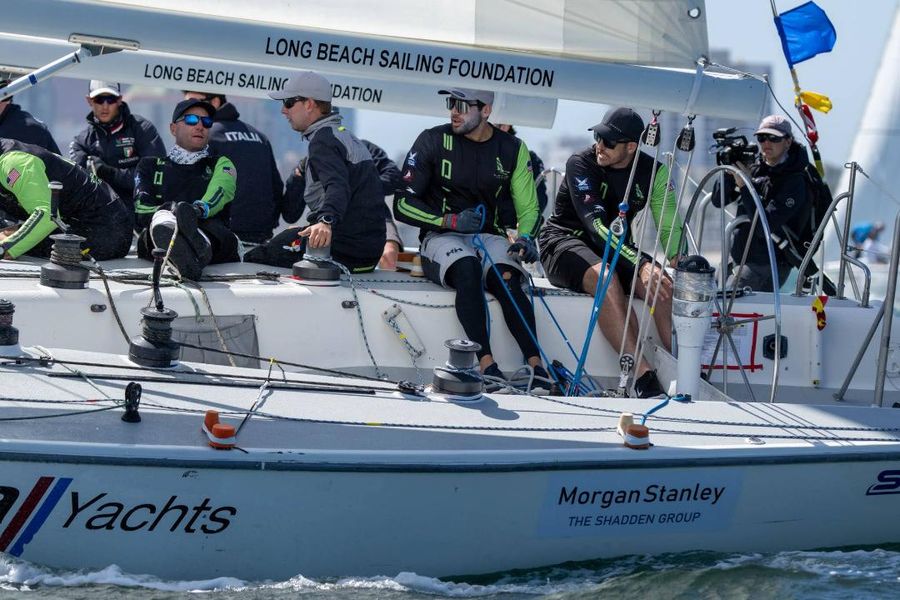
An American presence carries particular resonance in a competition that traces its origins to a New York yacht club challenge. It would also introduce a team built around sailors who came of age with foiling rather than having to adapt to it mid-career. Whether the campaign clears its final funding hurdle will become clear shortly. If it does, it adds another layer to what is already shaping up as a competitive fleet.
Naples is closer than it looks
With existing boats back on the water, new ones approaching launch, and the competitive calendar beginning to fill out, Naples feels considerably nearer than the year count might suggest.
For those following from New Zealand, this is also the most instructive period of the entire cycle. Cups are not decided through announcements or press conferences, but through accumulated training hours, precise technical choices, and the gradual process of crews learning to function as a unit under pressure.
The administrative noise has receded. The sailing is underway. The road to Naples is now clearly in view.