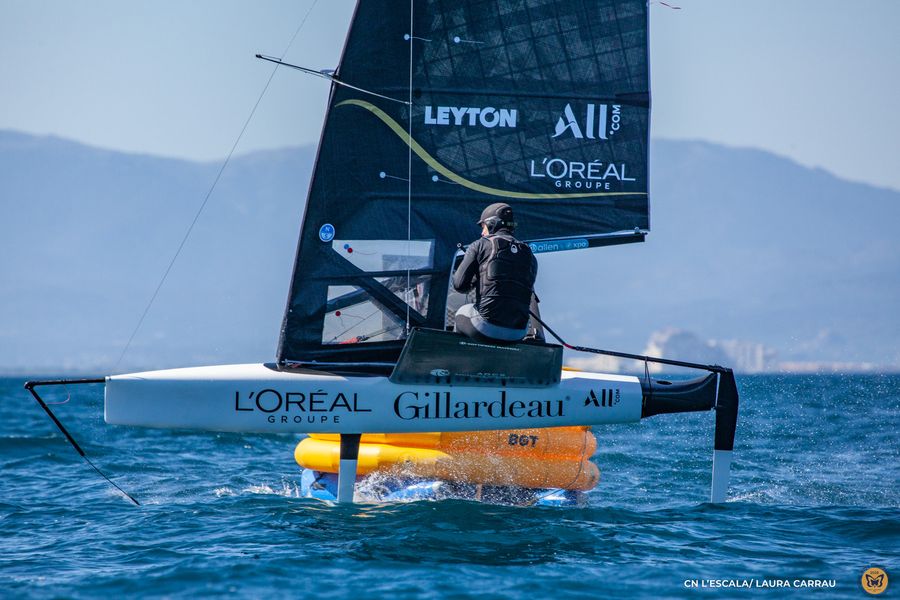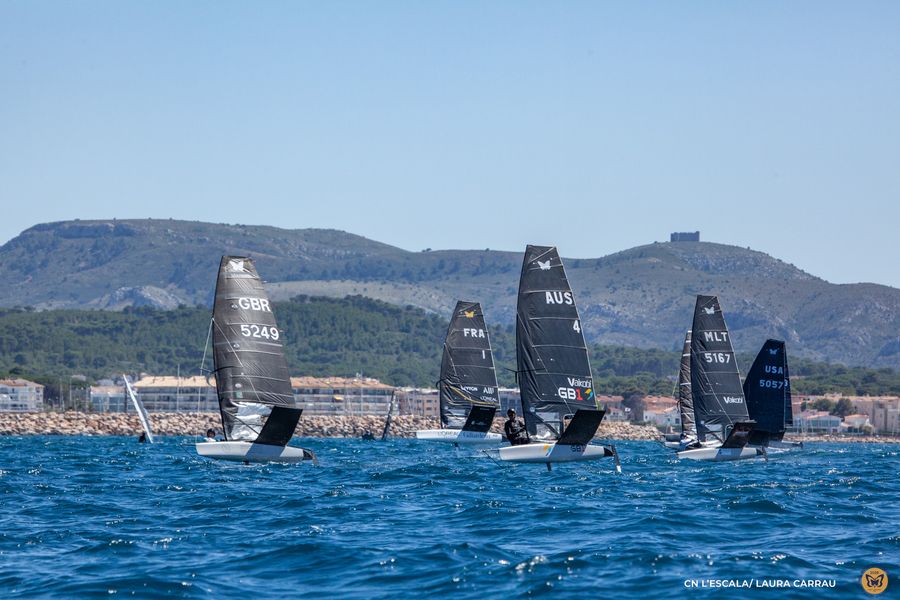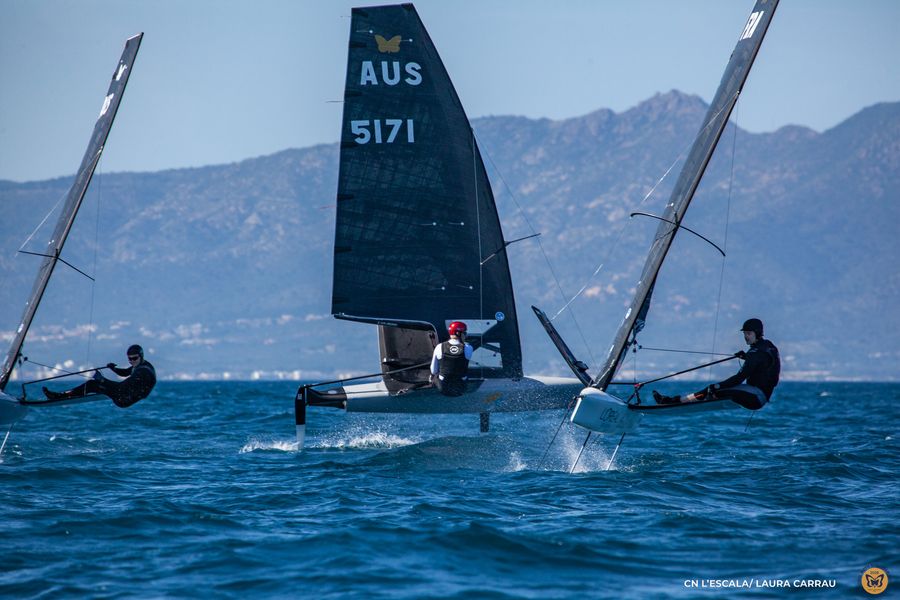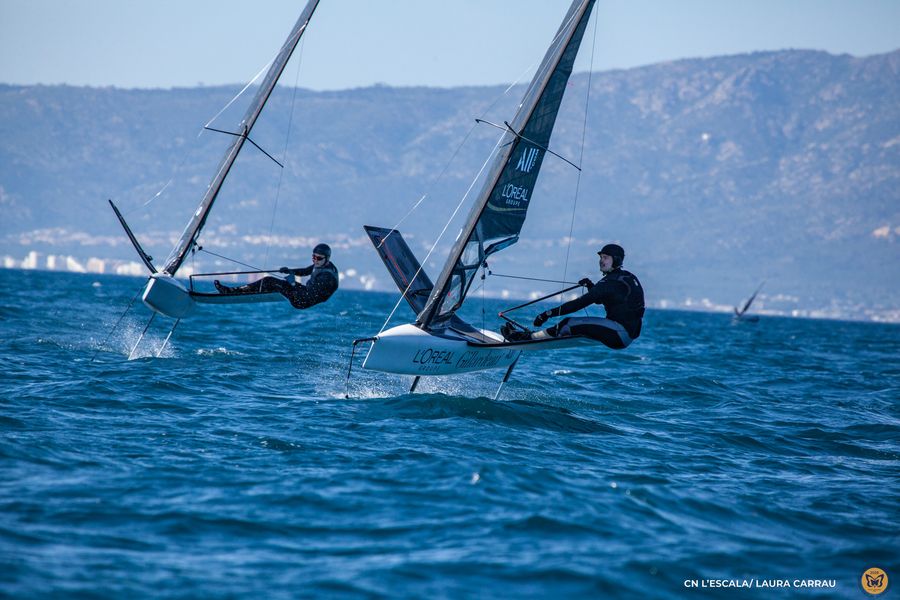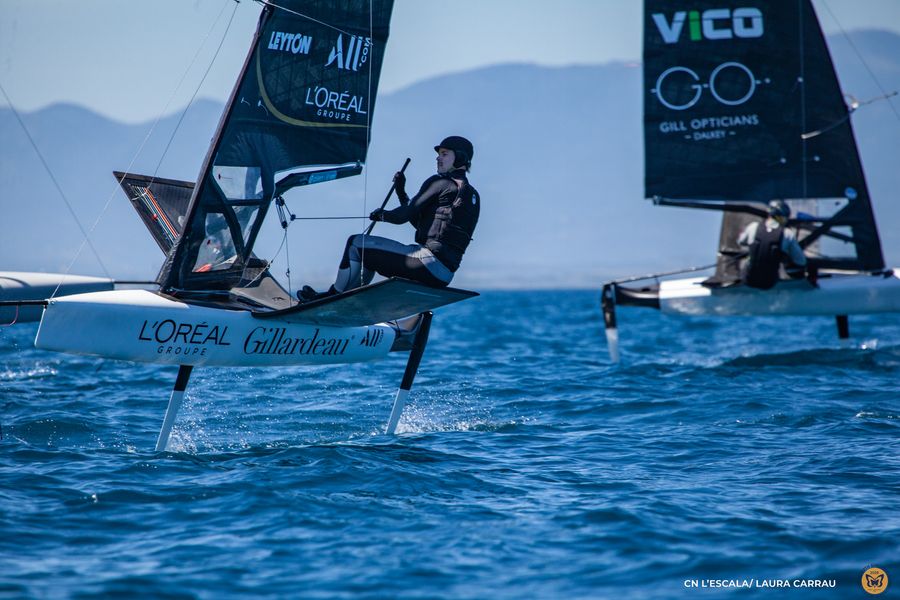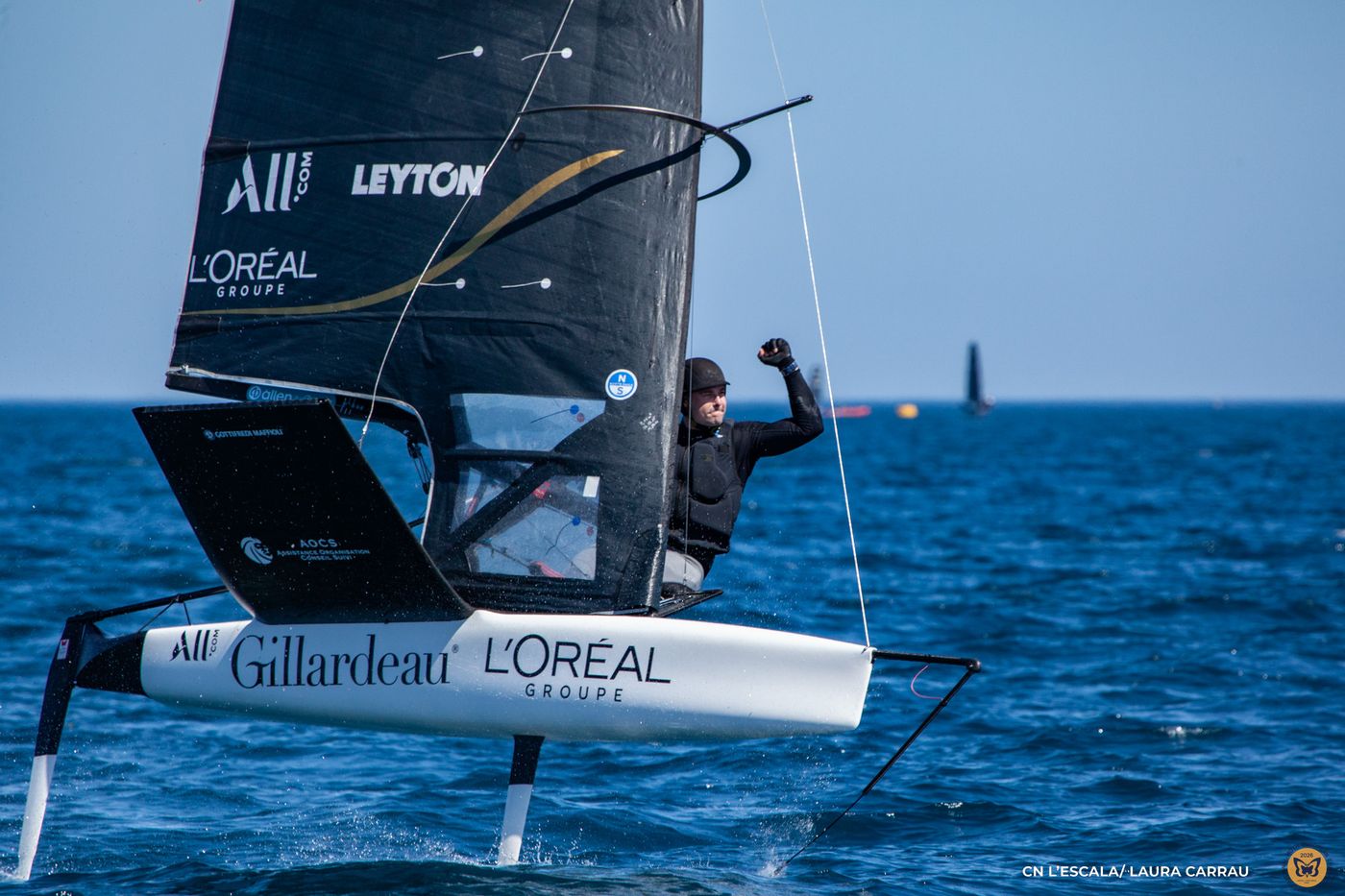
Eight victories from eleven races is a number that does its own talking. At L'Escala on Spain's Costa Brava, Enzo Balanger collected the 2026 Moth European Championship with a measured, unhurried authority that placed him in a different category from an already formidable international fleet.
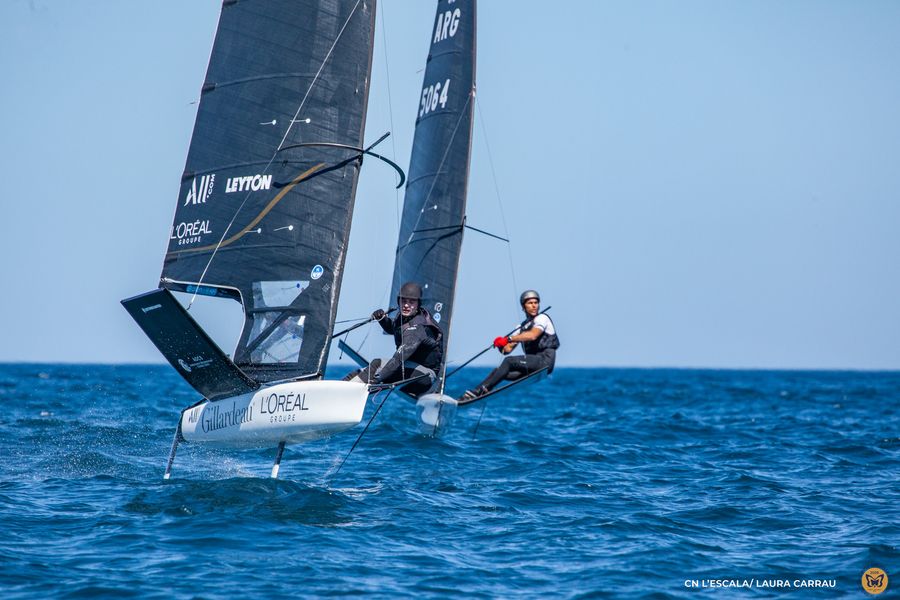
To understand what that scoreline means, it helps to understand the Moth. Few classes in sailing are as unforgiving. These hydrofoil machines fly above the water on impossibly slender foils, and the physics that make them extraordinary also make them brutal. Any imprecision, the slightest misread of load or trim, and the boat responds instantly and without mercy. Speed on a Moth is not simply produced; it must be managed continuously, and the sailors who do it best are those who have absorbed the machine's logic so deeply that their corrections happen before they are consciously formed.
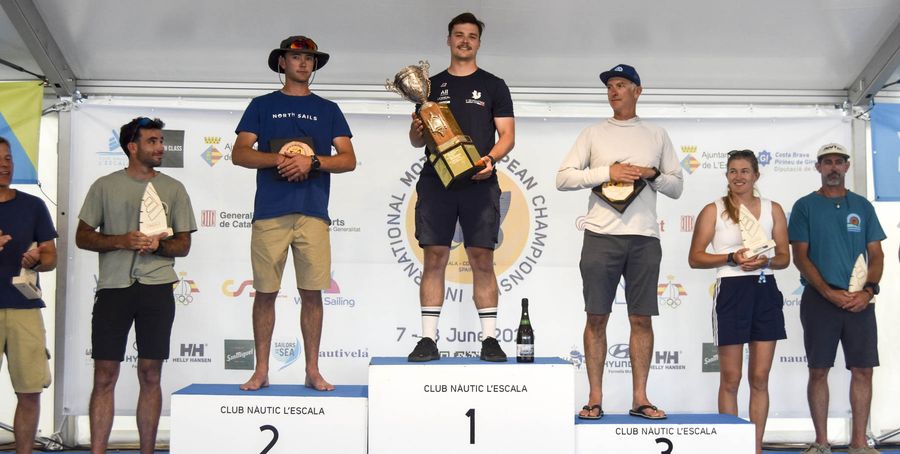
Balanger is plainly that kind of sailor. Through the Spanish regatta, he set his own rhythm and held it, building his European title incrementally while giving his rivals almost nowhere to find an opening. Eight wins from eleven starts is a strong return in any fleet. In the Moth, where the margins between competitors can be razor-thin, it points to genuine mastery rather than a fortunate run of conditions or luck.
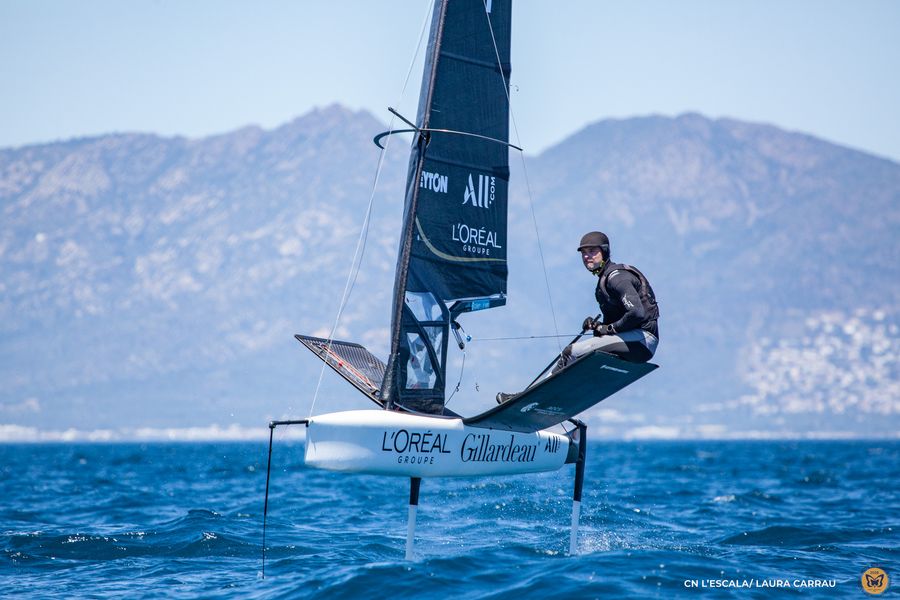
Balanger carries a Moth world championship to his name, and the European title at L'Escala deepens the picture that win had already suggested. He belongs to a generation for whom foiling is something close to a first language, sailors who think and feel in three dimensions, processing performance through the physical sensation of the boat and through an equally fluent understanding of the technology driving it.
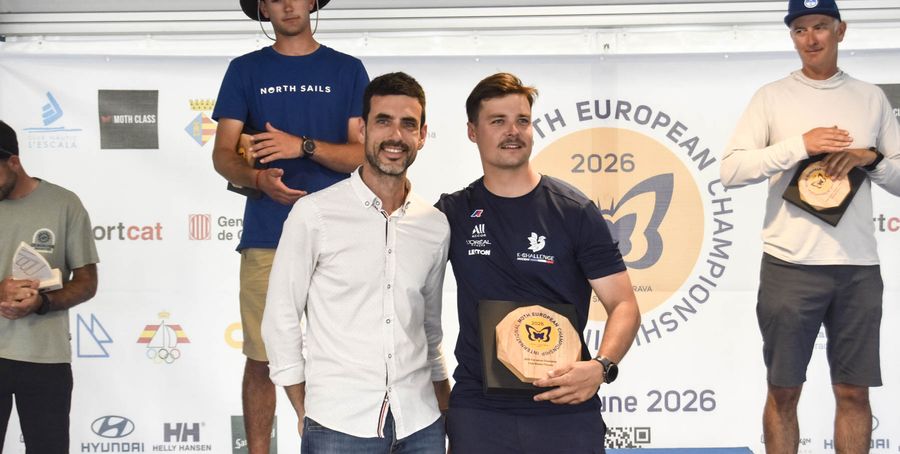
The achievement carries significance beyond the Moth class on its own. French foiling has built a coherent pathway over recent years, one backed by strong sailors, capable technical teams and a culture of serious investment in performance. Balanger is among the most complete demonstrations of what that pathway is capable of producing.
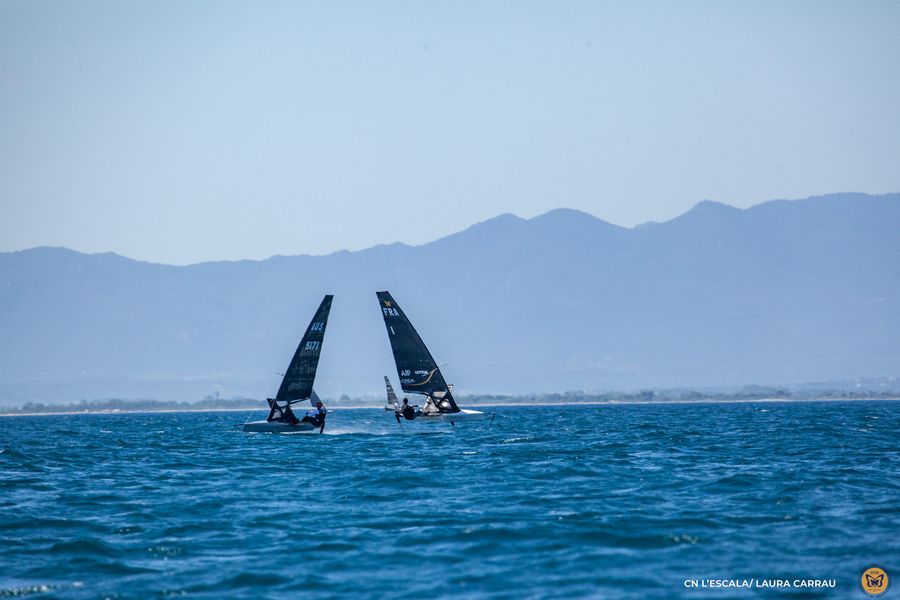
His wider sailing life confirms a career built around the front edge of foiling. He is a member of the K-Challenge Akademy, holds a place within the French SailGP team, and continues his development through the La Roche-Posay Racing Team environment. Those connections put him at the point where flying boats, top-tier international circuits and the sport's most ambitious technical thinking all converge.
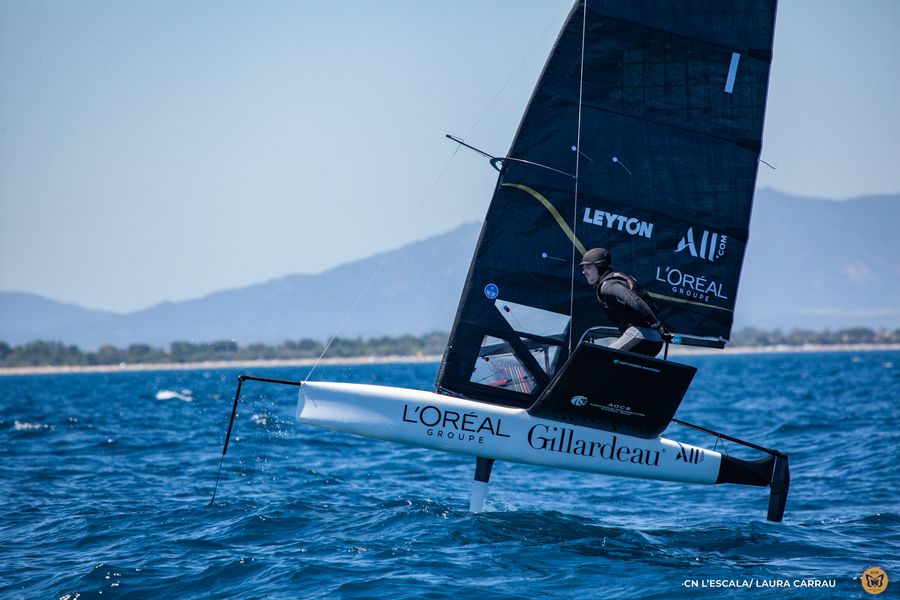
What gave the L'Escala week its particular character was not only the scale of the winning margin but the way it was accumulated. There were no spectacular salvage acts, no single race that carried the result while others were written off. Balanger built his title steadily and without unnecessary drama, which is, in a class that rewards aggression and punishes the smallest hesitation, often the most difficult way to win.
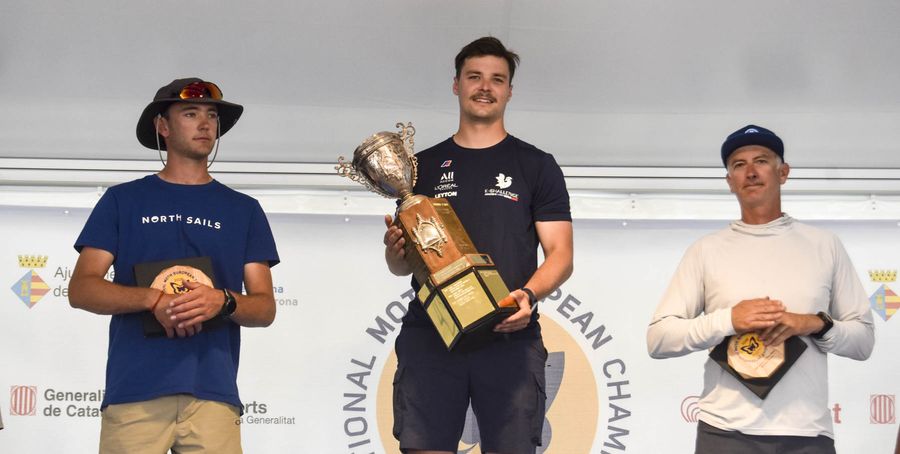
That quality, the capacity to make a commanding performance look almost routine, only becomes visible in hindsight, once you recognise how much disciplined, meticulous work sits beneath the apparent ease. At L'Escala, Balanger left no doubt about which kind of result he had delivered.