A $600,000 partnership between the BNZ Foundation and Live Ocean Foundation has been announced, focused on protecting biodiversity in the Hauraki Gulf. Half of that total, $300,000, is directed specifically at efforts to stabilise the population of the endangered black petrel over the next three years.
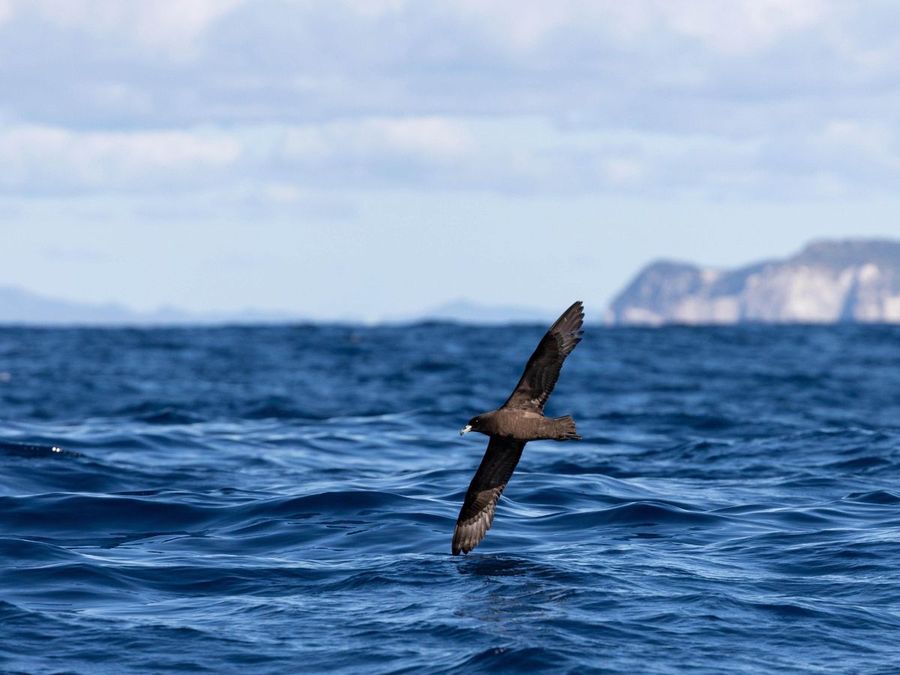
The black petrel, known in te reo Māori as tākoketai, was once found right across Aotearoa. Today it nests on just two islands, with only around 5,000 breeding pairs remaining. The three-year investment is intended to reverse that decline, with a longer-term vision of restoring the species to historic breeding sites throughout the North Island.
The announcement arrives at a moment of real progress for the Hauraki Gulf. Marine protected areas in the gulf have recently grown from less than one percent to nearly six percent of its waters, and Live Ocean co-founders Peter Burling and Blair Tuke say this makes the timing of the partnership all the more significant.
"There's never been a better time to get behind the exceptional researchers working to ensure precious species like the tākoketai are not lost, and for all New Zealanders to get to know the black petrel a little better," says Peter Burling, Co-founder, Live Ocean.
"Marine protected areas in the Hauraki Gulf have recently increased significantly (from less than 1% up to nearly 6%) which is a really positive step. We need to continue this momentum, working towards a future where biodiversity is being sustained and supported."
Once widespread throughout New Zealand, black petrels now breed only on Aotea Great Barrier Island and Hauturu-o-Toi Little Barrier Island. The all-black seabird carries a one-metre wingspan and is a relative of New Zealand's albatrosses, nesting and fledging in local waters before setting out on an extraordinary ocean journey. Each year, young birds make their first migration across the Pacific, yet fewer than ten percent ever return. Researchers still understand very little about where these birds travel or what accounts for such heavy losses. The species faces a range of threats: fisheries bycatch in South American waters, climate change, light pollution, and introduced predators at its nesting sites.
Leading the scientific work on the species is Biz Bell, an ecologist with Wildlife Management International Ltd who has studied black petrels for more than 30 years. Her research is supported by Ngāti Rehua as kaitiaki of the tākoketai, and by DOC's Conservation Services Team. She is delighted by the support from Live Ocean and the BNZ Foundation, and excited about the coming phase of research.
"It will allow us to focus on tākoketai chicks and to understand the risks they face once they leave Aotea. Tracking more chicks than ever before, on their migration across the Pacific into South American waters will give us unprecedented insights on their behaviour en route and in their wintering grounds off Ecuador."
"We hope the new data will help us work towards improving the chick return rates to New Zealand, ultimately leading to improved tākoketai survival and higher levels of recruitment into the breeding population on Aotea."
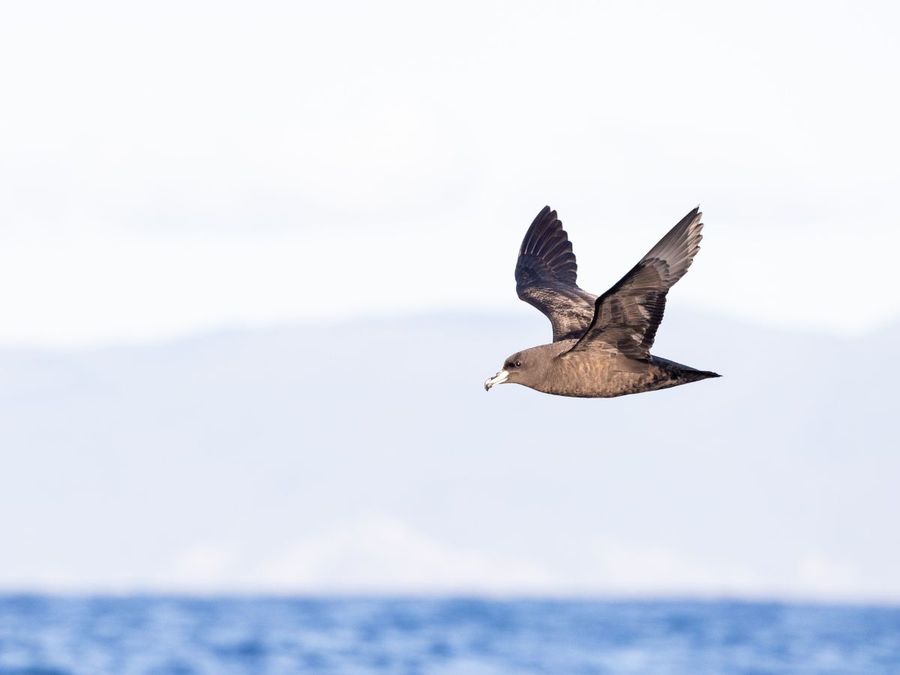
Because the black petrel functions as a sentinel species, its survival or decline reflects the condition of the broader ocean ecosystem. Tuke says that connection makes protecting the bird a priority.
"We're really proud to announce that the BNZ Foundation is joining the Live Ocean whānau as a flagship supporter. Support from organisations that share our ambition is absolutely vital, and with their focus on regenerating Aotearoa New Zealand's biodiversity, the BNZ Foundation are a well aligned partner for Live Ocean."
BNZ Foundation Chair Dan Huggins says the collaboration reflects the Foundation's wider purpose.
"At the BNZ Foundation our goal is to accelerate positive change and back the people and charities working hard every day to help nature and communities thrive together.
"We are proud to partner with Live Ocean, an organisation doing vital work to protect and restore the ocean that sustains us all."
Alongside funding for fieldwork, the BNZ Foundation is matching public donations for GPS trackers up to $25,000. The campaign, which aims to raise enough for 25 trackers, launches today.
The black petrel is one of approximately 30 seabird species found in Tīkapa Moana, the Hauraki Gulf. It is the second seabird species Live Ocean is supporting, building on earlier work to halt the decline of the Antipodean albatross. Fieldwork is scheduled to begin in January 2026, with chick banding and GPS tracker fitting planned for April 2026.