One hundred and ten entries. Thirty-four nations. More than 170 competitors. And standard entries for the second World Sailing Inclusion Championships are still open until 31 August.
Several World Championship fleets have already cleared the minimum thresholds required for titles to be awarded. The Hansa 303, RS Venture Connect, 2.4mR, and Vision Impairment Fleet Racing classes are expected to produce strong competition, with the Para Inclusive WingFoil and Challenger Trimaran drawing serious international interest as well.
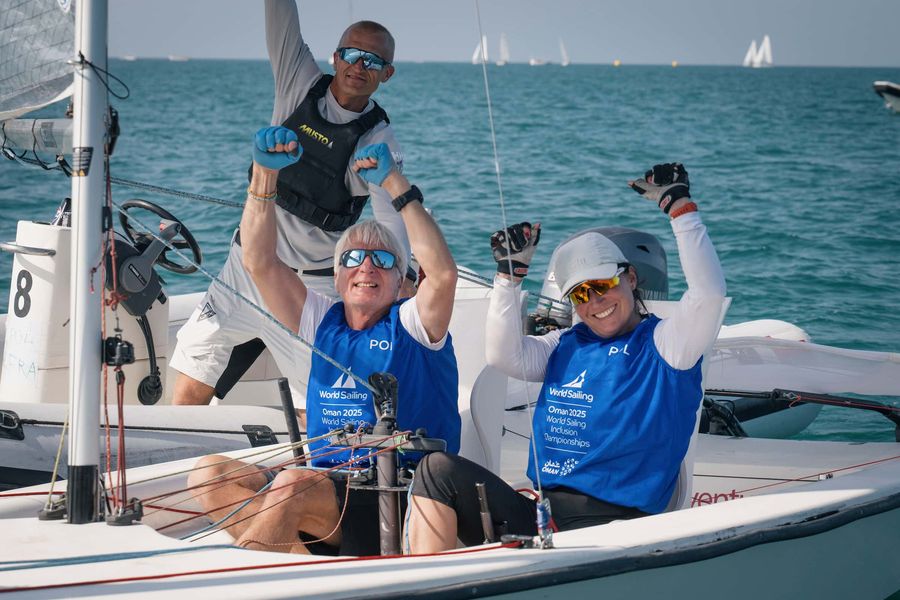
The Challenger Trimaran is the standout story of the entry list. Past its minimum championship numbers, the class is pulling in nations new to Para Inclusive sailing altogether, South Africa and Trinidad and Tobago among them.
Seated WingFoiling will feature as a demonstration event, its inclusion reflecting the championship's broader role as a proving ground for what Para Inclusive sailing might yet become. Development programmes have been running around the world to get it there.
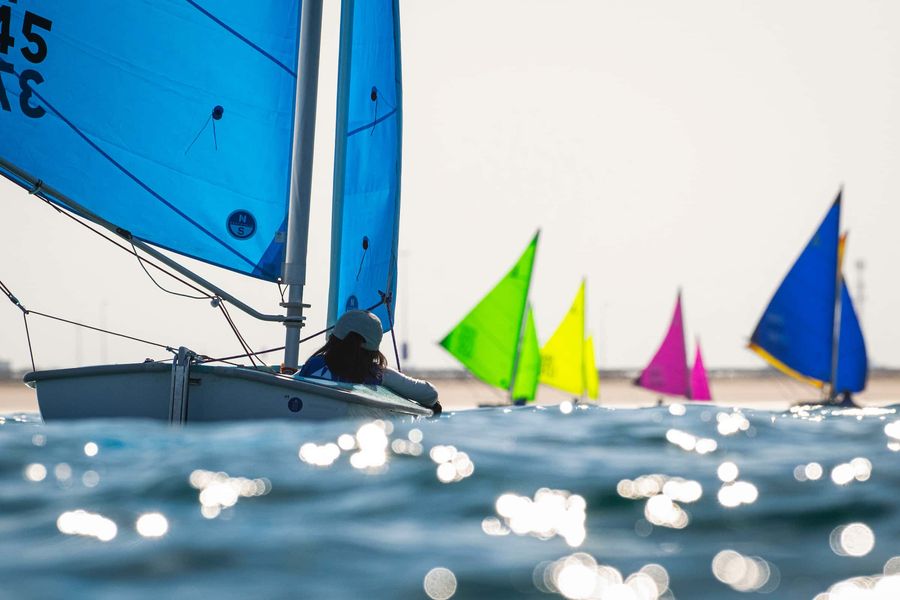
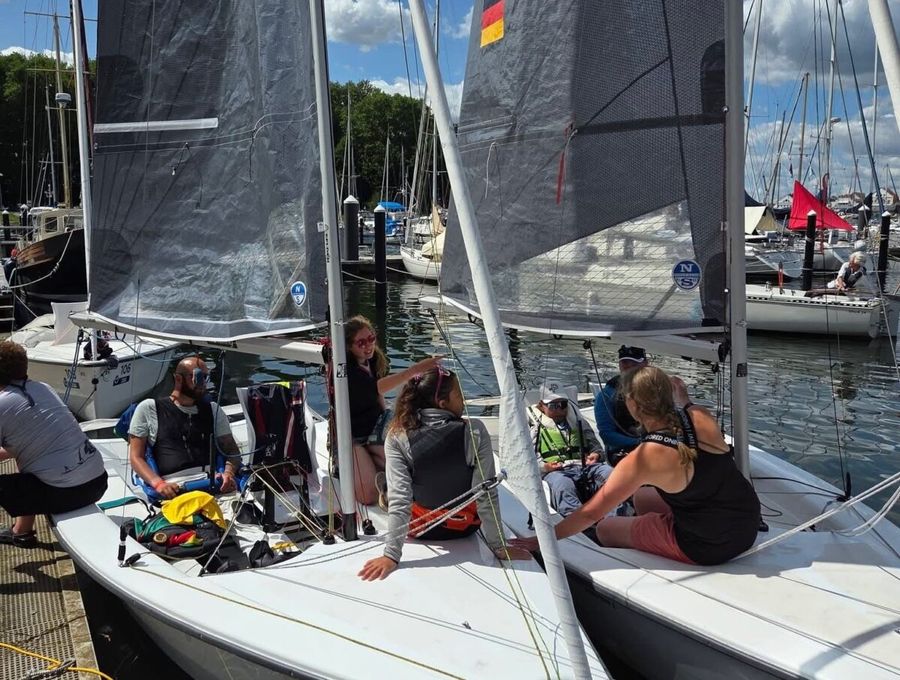
The concept behind all of this was never conventional. Launched in 2025, the Championships were built around a different idea from the start, bringing athletes, coaches, classifiers, race officials, volunteers, Member National Authorities, Class Associations and organisers into one environment where competition, education and development run alongside each other. Athletes competing at different levels, in different boats and with a wide range of impairments race together while sharing knowledge and experience. It looks, in practice, less like a traditional world championship than a community gathering that also happens to be fiercely competitive.
Para World Sailing Manager Hannah Stodel is direct about what they were trying to create. "When we created the World Sailing Inclusion Championships, the ambition was never simply to organise another regatta. It was to create a home for the global Para Inclusive sailing community, somewhere athletes, coaches, officials, classifiers and volunteers could come together, learn from one another and help shape the future of our sport."
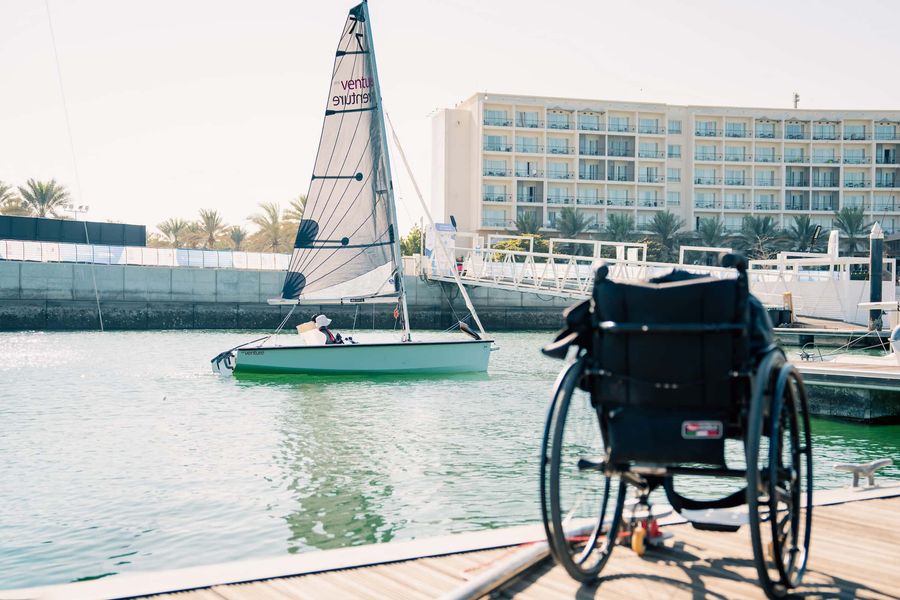
The World Sailing Inclusive Development Programme runs alongside the racing again this year, offering coaching, classifier education and knowledge exchange for sailors and officials from emerging nations. Funding through a partnership with The America's Cup remains available to eligible nations, lowering the cost of getting there.
"Seeing the Championships grow in just their second edition, with new nations, new classes and new opportunities, is incredibly exciting," Stodel added. "It shows what can be achieved when inclusion sits at the heart of everything we do."