Few sporting events carry the weight of genuine adventure that the 2025 Clipper Round the World Race does. Born in 1996 from the vision of Sir Robin Knox-Johnston, the first person to sail solo nonstop around the globe, the race has spent nearly three decades turning ordinary people into ocean racers. Its founding principle remains unchanged: you do not need to have set foot on a boat before signing up.
That openness is what sets this race apart from the elite end of sailing. Volunteers arrive with ambition and curiosity, then spend months working through demanding training programmes that cover navigation, sail trim, safety drills, and the complex dynamics of keeping a yacht moving efficiently across oceans. By the time crews step aboard, they are ready for what lies ahead.
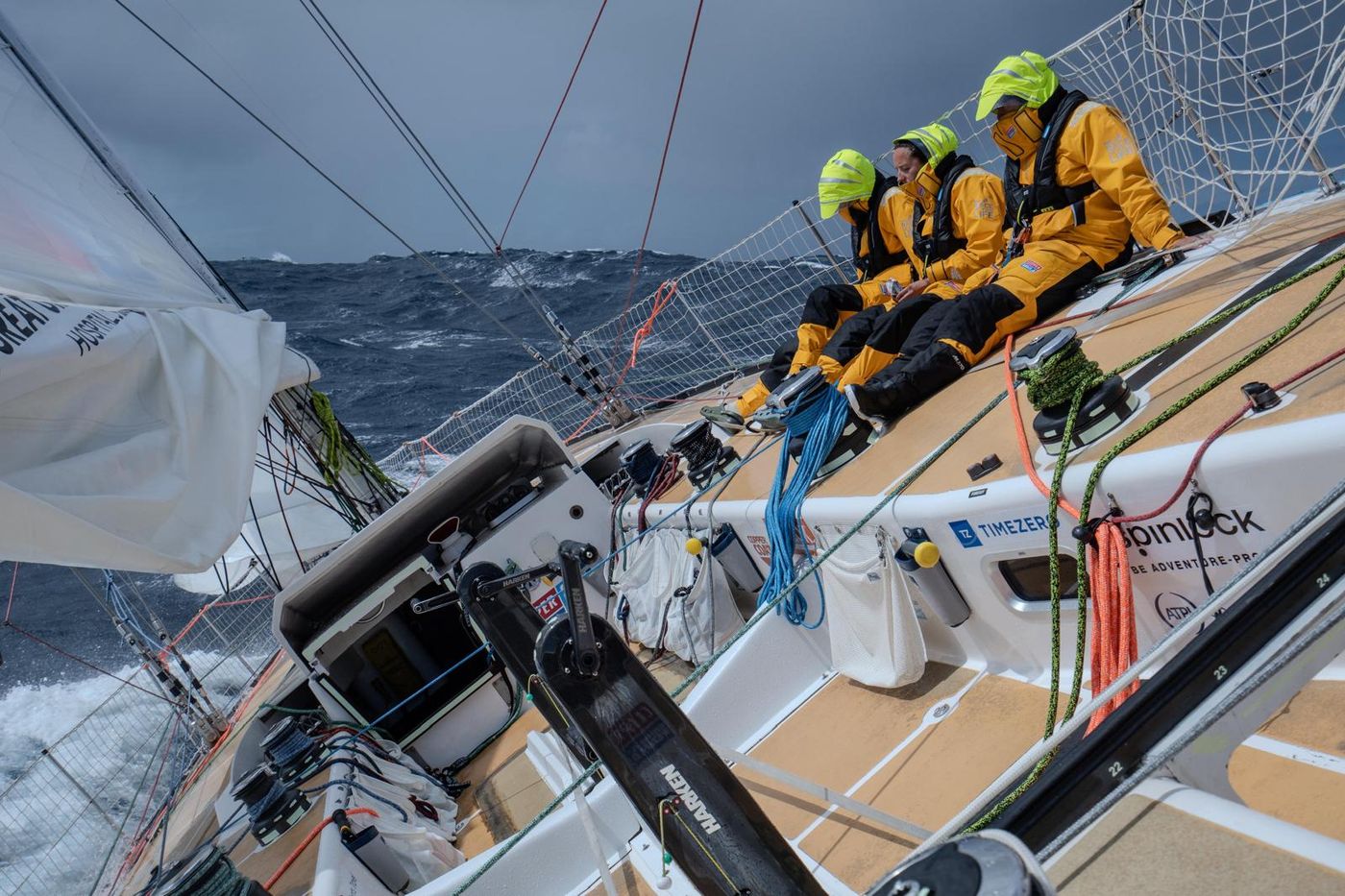
The name itself carries history. In the nineteenth century, tea clippers were the greyhounds of the ocean, built to "clip" through the water at speed and deliver cargoes from distant ports as fast as wind and hull could manage. The modern equivalent could not be more different in purpose. Today's Clipper 70 is a 70-foot ocean racing yacht designed by Tony Castro, stripped of comfort and optimised for performance and survival. Twin rudders, twin helms, a wardrobe of eleven sails, and interiors reduced to open bunks and bare essentials define these boats. Together they form the largest matched fleet of racing yachts in the world, each one identical to ensure the competition stays fair.
More than 6,000 people from over 60 nations have now competed across all editions of the race, with crews of more than 700 taking part in each running. Life aboard runs on a watch system that rotates day and night without pause. The work is physical and relentless: helming through storm seas, grinding winches, managing the pit, climbing the rig, repairing sails, troubleshooting engines, and keeping the galley stocked and functioning. Specialist roles including bosun, engineer, medic, and victualler sit alongside the general crew work, giving participants real responsibility at sea.
Someone with no background in sailing can develop genuine competence within weeks, and a capable sailor can grow into a confident leader over the course of a few months at sea. That transformation is one of the race's most talked-about qualities.
Eight legs carry the fleet across every significant ocean on the planet. The Atlantic Trade Winds deliver speed early in the campaign, the Roaring Forties deliver ferocity in the Southern Ocean, and the North Pacific offers an almost overwhelming sense of emptiness and scale. Legs along the Australian coast, through the Asia-Pacific region, and coast to coast across America each bring different challenges, different weather patterns, and different psychological demands. Whether a participant takes on a single leg or commits to the full circumnavigation, the experiences stay with them: days of flat calm at 45 degrees of heel, icy spray driving across the deck in the Southern Ocean, and the raw exhilaration of surfing down a wave face at 25 knots.
Competition runs alongside endurance throughout the race. Ten teams chase the Clipper Trophy using a points-based system, where finishing positions earn points and additional opportunities come through Ocean Sprints, Scoring Gates, and the Joker card, a tactical option that doubles a team's finishing points for a single race. The strategic layer deepens further with Stealth Mode, which allows a team to remove its position from the tracking system for 24 hours, blending pure sailing ability with psychological gamesmanship.
The 2025 edition carries a responsibility beyond the competitive. Through a partnership with the International SeaKeepers Society, each yacht in the fleet is fitted with sensors that contribute data to the Seabed 2030 project, an international effort to map the world's entire seafloor. Crews are also collecting information on ocean health, marine pollution, and the distribution of wildlife along their routes. Every mile sailed adds something to the scientific record, making the circumnavigation as much an act of environmental purpose as it is a sporting contest.
For those who understand the pull of deep water and big skies, the Clipper Race speaks to something fundamental. It is about endurance, about working alongside people you barely knew a season ago, about building skill under pressure and developing a hard-won respect for the sea. The race exists to find out what people and boats can achieve when pushed to their absolute limits.